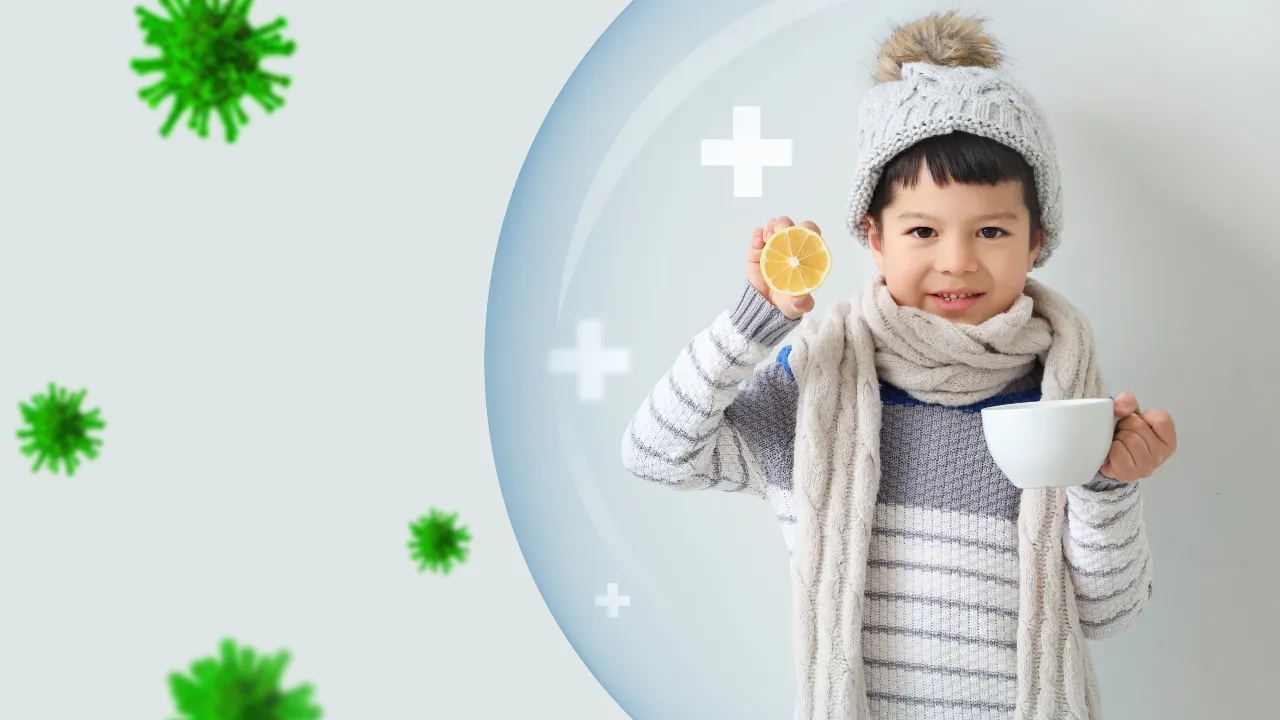


Are there probiotics for children? That is the question we will explore in this article, which instead of giving a direct answer, aims to provide some key concepts on the topic.
We will review the effects of probiotics in children and how these microorganisms impact their health, especially in countries like Colombia, where there are significant gaps in healthy nutrition.
Probiotics in children are safe, beneficial, and necessary.
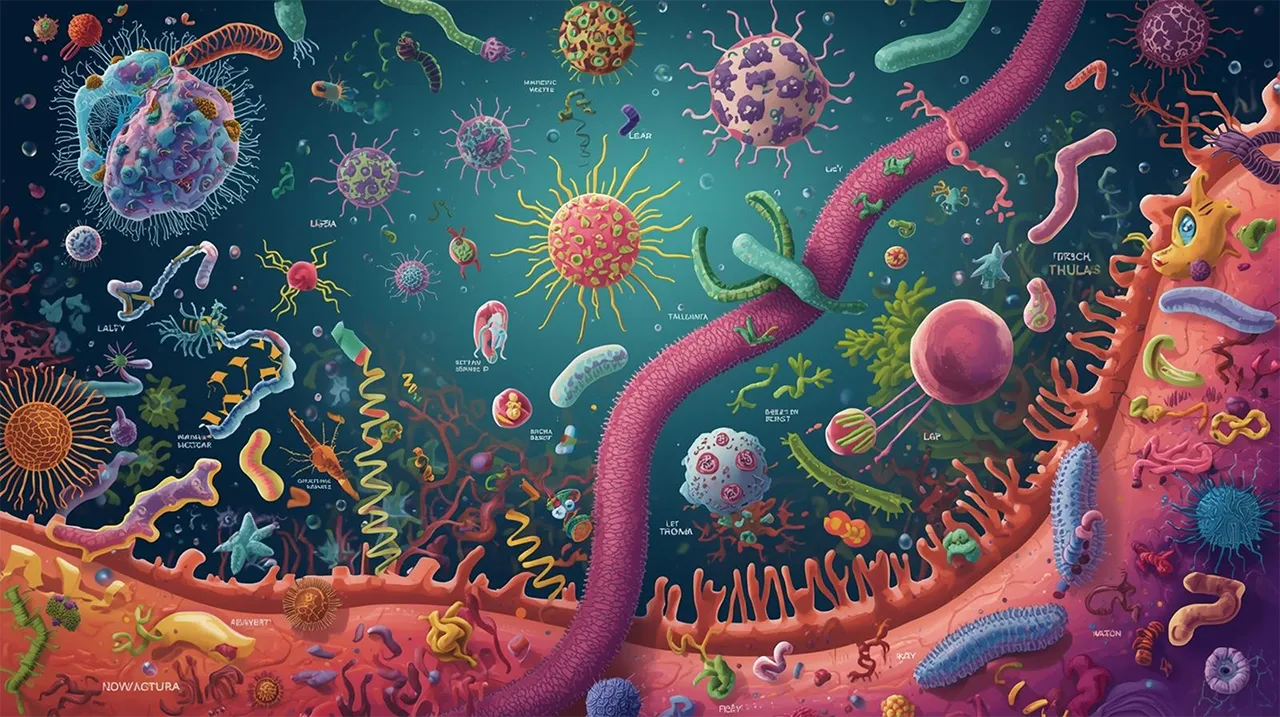
Probiotics are part of the human microbiota, the vast community of microbes living in our digestive system, performing essential functions.
Bifidobacteria are essential probiotic bacteria for the intestine, mainly acting in the colon where many key functions occur.
Lactobacilli primarily act in the small intestine and are among the most studied intestinal microbes, with fundamental roles in the body.
A lack of bifidobacteria and lactobacilli can lead to long-term consequences.
All probiotic combinations should include bifidobacteria. Lactobacilli alone are not sufficient.
Dysbiosis is the imbalance between beneficial bacteria (some of which are probiotics) and potentially harmful bacteria in the body.
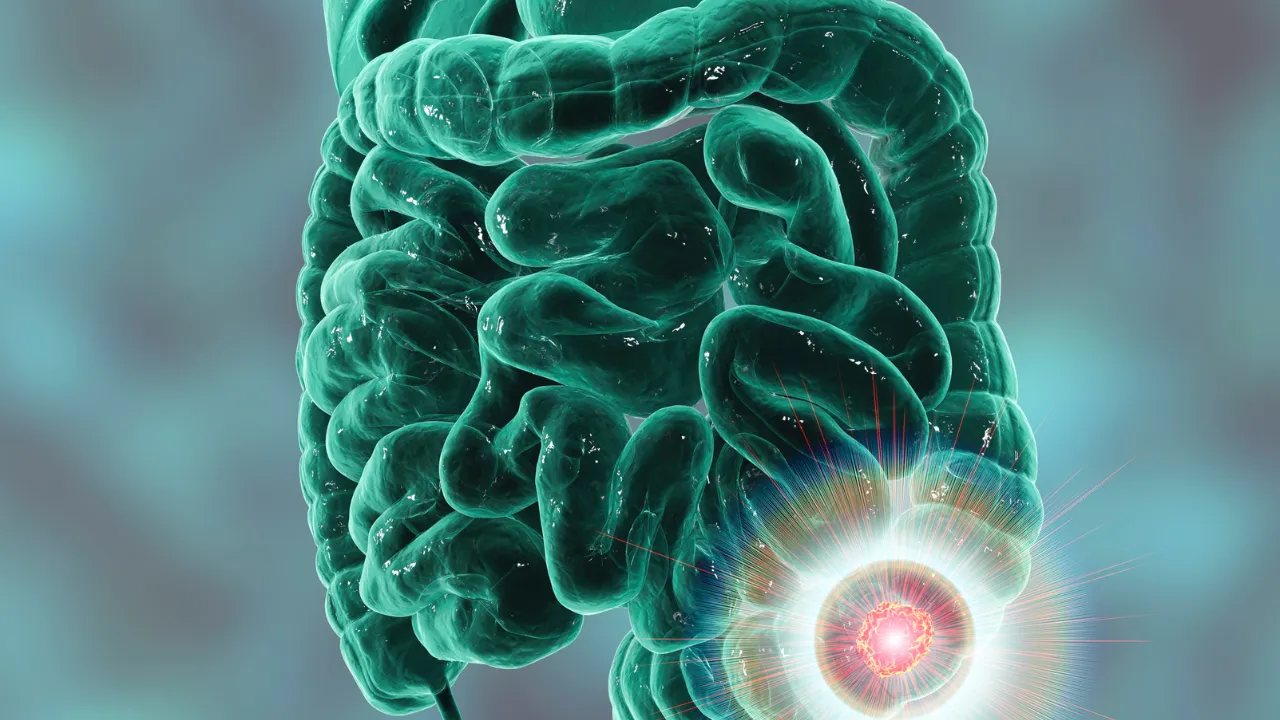
This imbalance disrupts normal functions not only in the intestine but throughout the body, including the brain. The intestine is often referred to as the second brain.
It is also associated with the development of asthma and skin allergies such as eczema, especially in families with atopic conditions.
Several factors can cause dysbiosis in children, including:
All these factors affect the normal development of intestinal microbiota and its functions, highlighting the importance of maintaining it.
The combination of bifidobacteria and lactobacilli is essential for the proper development of intestinal microbiota and overall health in children.
Keep in mind that any child taking antibiotics should also take probiotics simultaneously.
You can find products from our Kids line through your nearest Guleben distributor. Check our distributor list to locate one near you.

 Spanish
  English