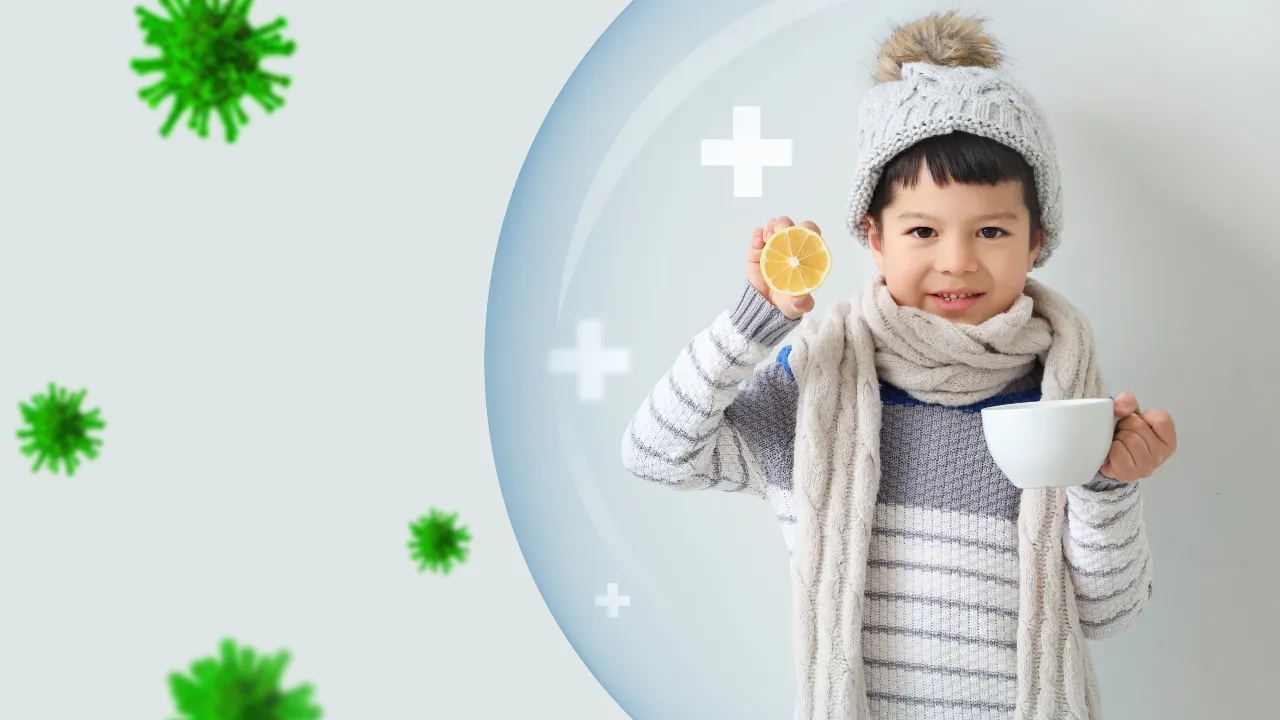


More and more scientific studies are pointing out the benefits of probiotic consumption for health, including in cases of people who suffer from allergies. Today, we’ll talk about this topic.
But first, we need to review some important concepts such as the microbiota and allergies.
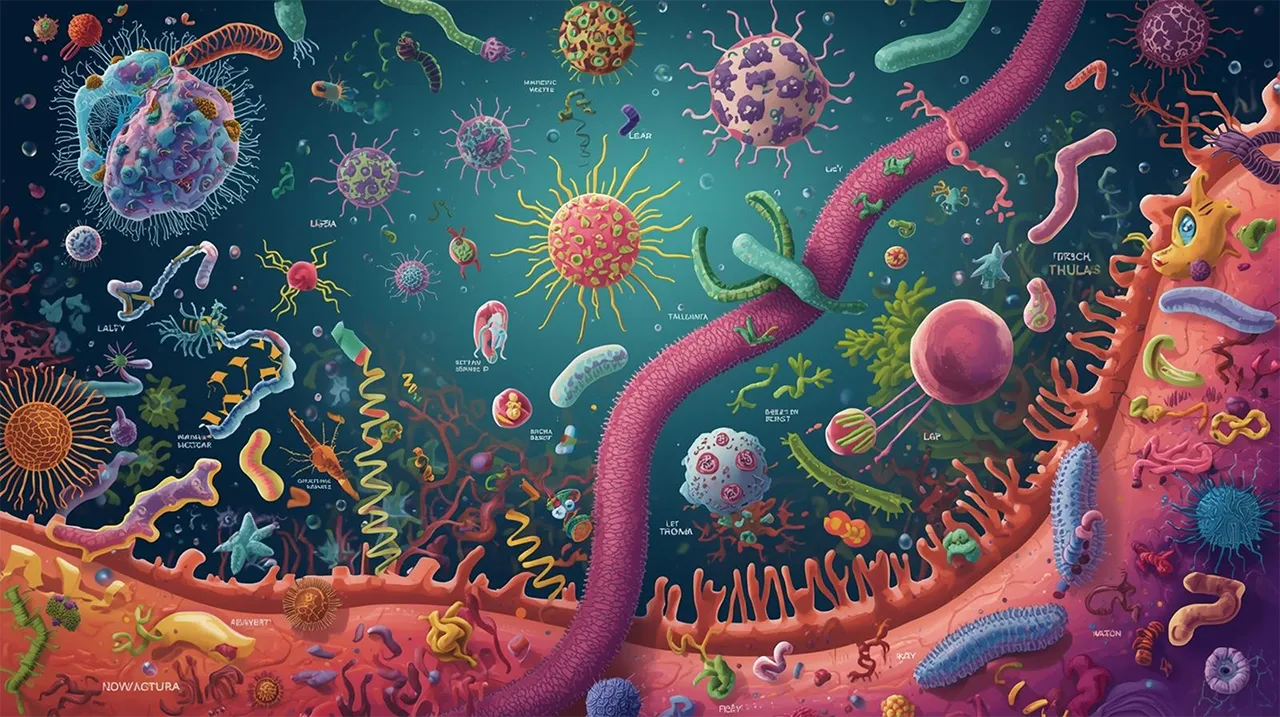
The gut microbiota is made up of all the microorganisms found along the intestine. The most abundant are bacteria, accounting for nearly 90% of the total, but there are also fungi, archaea (which look like little spiders), protozoa, and a huge number of viruses.
These microorganisms represent almost 10 times the number of cells in our body and contain 150 times more genes than we do, which is quite impressive.
In addition, they perform various actions to help us be healthier, happier, better fed and nourished, better protected, and even less prone to illness, under medicine’s highest principle: prevention.
Because of this, Dr. Silvia Gómez Senent calls these microbes «microbial superheroes».
Knowing all this, we can understand the importance of these microbes performing well for human health. Now let’s see how all this happens.
The gut microbiota and, within it, the probiotics — generally recognized as lactobacilli or bifidobacteria — have direct effects on the two immune protection systems we have:
Probiotics act on both types, triggering a series of responses that represent various kinds of soldiers in charge of defending us.
Some «soldier microorganisms» have direct actions against pathogenic bacteria, producing substances responsible for eliminating them, such as endogenous antibiotics. Others handle recognition, alerting us to new dangers coming from outside or from within. That’s how the immune system works in very general terms.
But there are times when this immune system can activate because it recognizes the body’s own cells, or substances that don’t usually cause harm, as a dangerous infiltrator. It sets off the alarms — and this is the case of allergies.
Allergies are exactly that: an exaggerated response known in medicine as hypersensitivity, where a person’s immune system recognizes harmless substances — which don’t usually cause harm to healthy, normal individuals — as harmful and aggressive.
This causes an immediate or delayed reaction against them, leading to an allergic state. This mistaken and inappropriate reaction triggers a local or general inflammatory process in the cells and mucous membranes, causing all the typical discomforts of the disease.
These reactions usually appear in the skin, mouth, intestine, breathing, and eyes, among others.
Allergies in general affect 20% of the world’s population, alter the quality of life of patients — usually children or young people — and unfortunately are responsible for a great personal, economic, and work-related burden for the family.
Allergies have a clear genetic predisposition: an allergic parent creates a 50% risk of allergies in their children, and two allergic parents or a first-degree relative creates a 70% risk.
Once an allergy is diagnosed and differentiated from a hypersensitivity process, it’s time to act.
The most important thing in medicine is prevention. Today, certain clearly studied and designed probiotic strains are used during pregnancy to help reduce the risk of allergies in the future newborn — between 25 and 50% reduction in that risk.
As we always try to teach, not all probiotics are good for everything. Only certain strains, in amounts clearly studied through in vitro and then in vivo analysis, are capable of having a positive effect on the prevention or even treatment of certain types of allergies.
So clearly, taking probiotics doesn’t help against all the allergies I have. Only certain specific strains, depending on the type and location of the allergy.
The way probiotics work involves a specific pathway used by some soldiers in our immune army: the lymphocytes, in this case, type 2 helper T lymphocytes.
This pathway is responsible for generating the response of pro-inflammatory cells and pro-allergenic substances, so redirecting toward the Th1 lymphocyte pathway will prevent the appearance of some allergies.
Lacticaseibacillus rhamnosus GG is one of the most researched probiotics and seems to have beneficial preventive actions against the appearance of allergies.
Children studied with allergic dermatitis have shown lower diversity in their gut microbiota, with a significant loss of bacterial families of the Bacteroides type, which seem to help balance the risk of allergy.
Around the first year of life, the existence of an altered microbiota is a factor that favors the appearance of allergic dermatitis.
The prevention of allergic dermatitis with the use of probiotics during pregnancy or in the first months of life, with the GG strain, is one of the strategies with the most evidence.
The treatment of allergic dermatitis seems to respond to this strain, the GG, and today also to some recently launched postbiotic strains, such as the BPL1 strain of Bifidobacterium lactis.
We can only say that there are controversial studies, and only some show some improvement associated with the use of certain strains of Bifidobacterium longum, Lactobacillus acidophilus, and Lactobacillus casei.
The digestive tract of children affected by food allergies regularly shows an increase in the population of Staphylococcus aureus and Clostridia, two types of germs that can be harmful in this part of the body.
Research with Lacticaseibacillus rhamnosus GG — one of the most researched probiotics worldwide, with nearly 30 years of study — but also with Bifidobacterium breve and Bifidobacterium lactis, has been effective in reducing symptoms, both in food allergies and in allergic dermatitis.
Finally, certain probiotics, alone or in combination — including Lacticaseibacillus rhamnosus GG, Bifidobacterium breve, Streptococcus thermophilus, and Bifidobacterium lactis — help achieve tolerance to foods that cause these allergies.
The GG strain has also been identified as one of the most important in promoting the growth of microbiota that produces some of the good fats: the short-chain fatty acids, specifically butyrate, which helps reduce the risk of intestinal allergies, among other benefits.
Conclusive evidence about the benefits of using probiotics specifically in atopic dermatitis promotes their use today and in the future. Especially the specific strains described, both for prevention and management.
Some postbiotics are entering strongly, backed by clinical research showing their beneficial effect in the control of skin allergies — that is, atopic dermatitis.
As always, not everything works for everything. It’s important for your doctor to be well informed about the best recommendation of strain and amount of units that achieve a clear benefit for the allergic patient.
In the coming years, we will see more and more evidence about the benefits associated with having a healthy microbiota, the use of probiotics, and the prevention or control of allergies.

 Spanish
  English