


Obesity is a disease that has become a global pandemic. At least 50% of humanity is overweight, and around 40% are obese.
An obese patient is an inflamed person who, due to their condition, constantly produces substances that trigger a generalized inflammatory response. This, in turn, is a contributing factor to the appearance of other chronic diseases and even cancer.
The changes in eating habits, largely responsible for the obesity we see today, date back to the 1970s, when food portions were enlarged, food production increased, and «exaggerated» daily energy intake became common, contributing to the rise in overweight.
In addition, our developed society has encouraged sedentary lifestyles and high energy consumption. The result is the appearance of nutrition-related diseases such as obesity, cardiovascular diseases, type 2 diabetes, metabolic syndrome, irritable bowel syndrome, and cancer (Martínez-Costa, 2006). There are more than half a billion people with overweight and obesity worldwide.
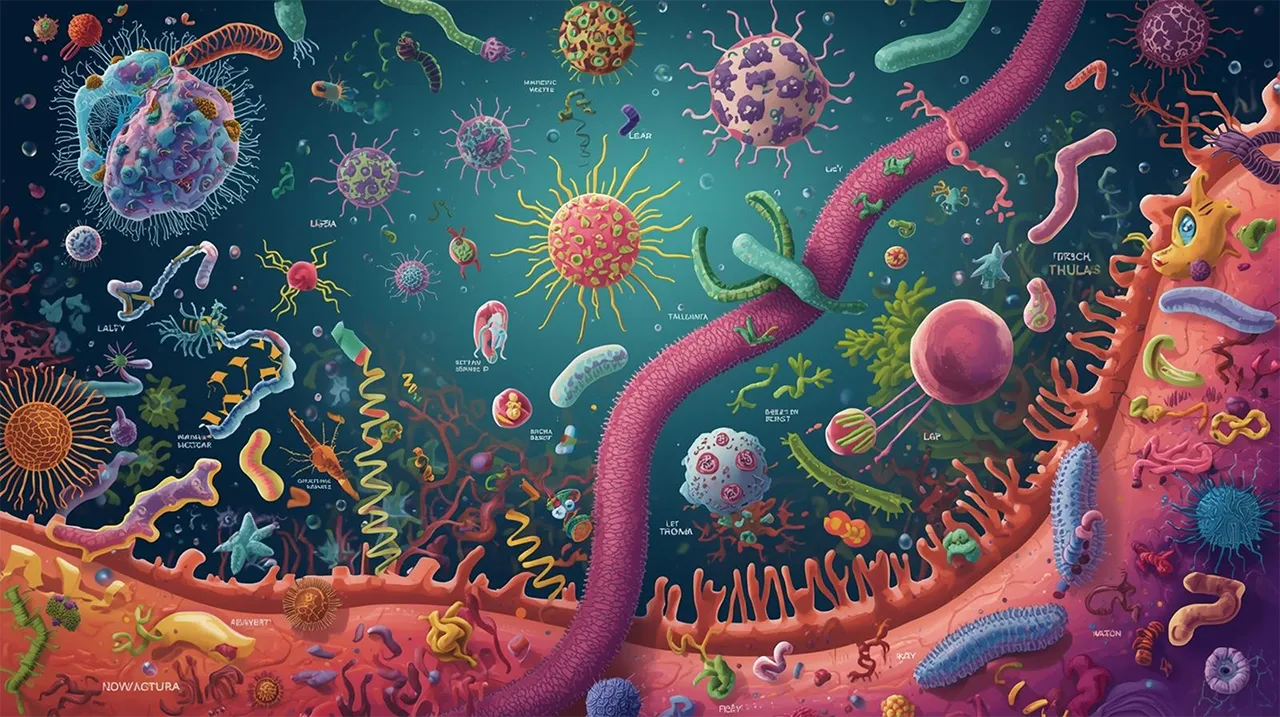
On the other hand, the microbiota consists of millions of different microbes that live in our intestine and other parts of the body. They interact with us and our body, providing benefits, and we feed them through what we consume. Today, the microbiota is considered an additional organ.
In recent decades, there has been deep research into the gut microbiota and its relationship with energy metabolism — that is, the way our body assimilates carbohydrate intake — and obesity.
On the path to preventing and/or managing obesity, multiple rigorous studies show that obese people have certain bacteria in their microbiota that promote obesity at elevated levels, while thin people have different microbiota bacteria. The goal is to reduce the levels of the former (Firmicutes) and increase the amount of the latter (Bacteroidetes).
When we look at what humans really want, we arrive at one answer: to live longer and better. If we manage to normalize our weight, we will reduce and prevent the appearance of chronic diseases such as diabetes and even cancer, and improve health, quality of life, well-being, and longevity.
Overweight and obesity are defined as an excessive accumulation of fat that is harmful to health (Manual of Probiotics).
Going back to the beginning of our existence, a series of «thrifty genes» were necessary for the survival of our gatherer and hunter ancestors. This factor still exists today and, together with other environmental conditions, favors obesity.
Obesity is measured through the body mass index (BMI), which is the result of the ratio between weight and the square of height (kg/m²). A BMI greater than 30 means obesity, and a BMI greater than 25 is overweight.
Two concepts to keep in mind:
According to the WHO, in 2016, more than 1.9 billion adults over 18 were overweight (39%); of these, 650 million were obese (13%). By 2016, 41 million children under five were overweight or obese. More than 340 million children and adolescents (5 to 19 years old) were overweight or obese.
In Colombia, children between 5 and 12 years old are overweight at 24.4%, adolescents between 13 and 17 at 17.9%, and adults reach 56.5%, with a higher rate in women at 59.6%; in this group, the rate of overweight is 37.8% and obesity 18.7%.
In addition, two-thirds of children remain glued to screens, which is a contributing factor to overweight and obesity. The same goes for sedentary lifestyles, which affect an average of 15% of children and increase to 25% in adults.
Another factor acting as an obesogenic agent since the pandemic is the emotional crisis being experienced by adolescents and adults. Depression itself is a risk factor for obesity due to the urge to keep eating, and the use of antidepressants or even antipsychotics is associated with weight gain.
Obesity affects the brain and includes problems with learning and memory (Anderson, Cryan, and Dinan, 2020). These neuronal changes affect adulthood with the appearance of depression and dementia.
Obesity is an accelerator of aging, and likewise, there is the possibility of an earlier appearance of neurological diseases typical of old age.
Research on the gut microbiota’s relationship with metabolic functions and obesity has been advancing for years. Both obesity and the gut microbiota depend on genetic and environmental factors.
The microbiota is essential to achieve metabolic, homeostatic, and physiological balance in the body’s organ systems.
The microbiota can vary due to external factors including diet, antibiotics, medications, and even the type of birth. C-section delivery can be a factor that favors obesity.
The Western diet is rich in sugars and fats. Many of these fats are not digested in the digestive tract and are processed by the human microbiota. Through this pathway, energy intake increases, leading to fat deposits and favoring overweight and obesity.
Another factor is the genes of the microbes themselves housed in communities; these genes outnumber human genes by 100 times. Many of these genes act on several foods we eat that aren’t processed by our digestive system. The result? An increase in the amount of energy that can be extracted from these foods (Cani and Delzenne, 2007). You guessed it: fat deposits.
There are three mechanisms that explain the increase in fat associated with the gut microbiota:
The microbiota must live in a constant balance. Certain microbe families have been linked to obesity due to the presence in the intestine of specific germs that also secrete substances that contribute to inflammation in the body.
Cleaning, balancing, and improving the intestinal highway and, in turn, the gut microbiota is a trigger for achieving a healthy weight.
If the microbiota influences the development of obesity, it makes sense to think that factors that modify it — such as prebiotics, probiotics, and the new postbiotics — can have a therapeutic effect on this disease.
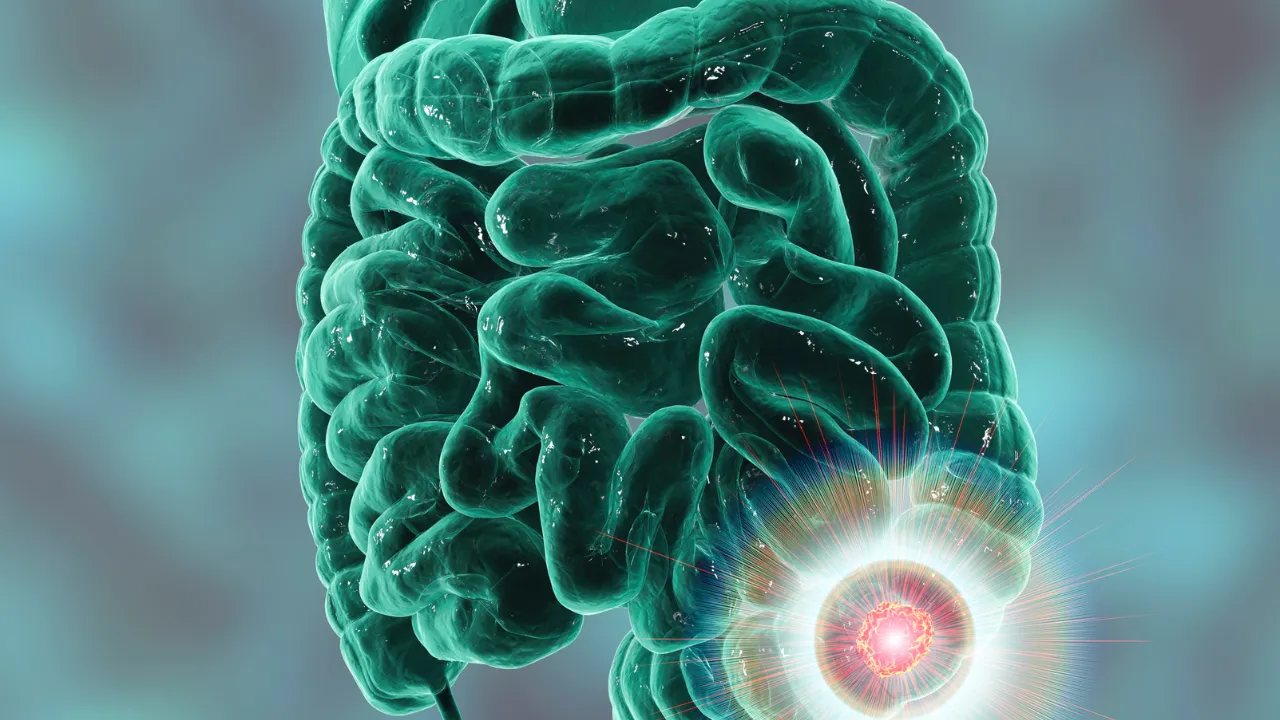
An obese individual, being inflamed, has intestinal permeability. This means that many substances that should remain inside the intestine, often pro-inflammatory, pass into the bloodstream. By improving certain families of bacteria, we improve the intestine’s own activity, the first and most important being intestinal permeability.
Intestinal permeability is a condition of the intestine where substances that shouldn’t pass into the blood manage to do so, and from there reach the rest of the body through circulation. This causes allergies, chronic inflammation, and other harmful situations for health.
Some probiotics and postbiotics used in research and development increase the amount of certain very beneficial bacteria in mucus production, such as Akkermansia muciniphila and Faecalibacterium prausnitzii.
The probiotics and postbiotics used also have an effect on appetite and satiety, improving the pathways associated with an amino acid called tryptophan, which helps with the feeling of fullness, reducing hunger and the urge to eat.
Several studies with specialized strains of postbiotics aimed at reducing waist circumference work by burning and breaking down the fat that exists under the skin and between the abdominal organs. They help reduce weight and improve blood sugar, fat, and triglyceride levels.
All of the above are reasons to care for, promote, improve, balance, change, and properly feed our gut microbiota.

 Spanish
  English