

Let’s start by defining a few terms:
Research advances over the past few years have led to the creation of postbiotics, this new type of probiotic that has the advantage of not being alive, which allows them to act directly on the body function we want to correct or improve.
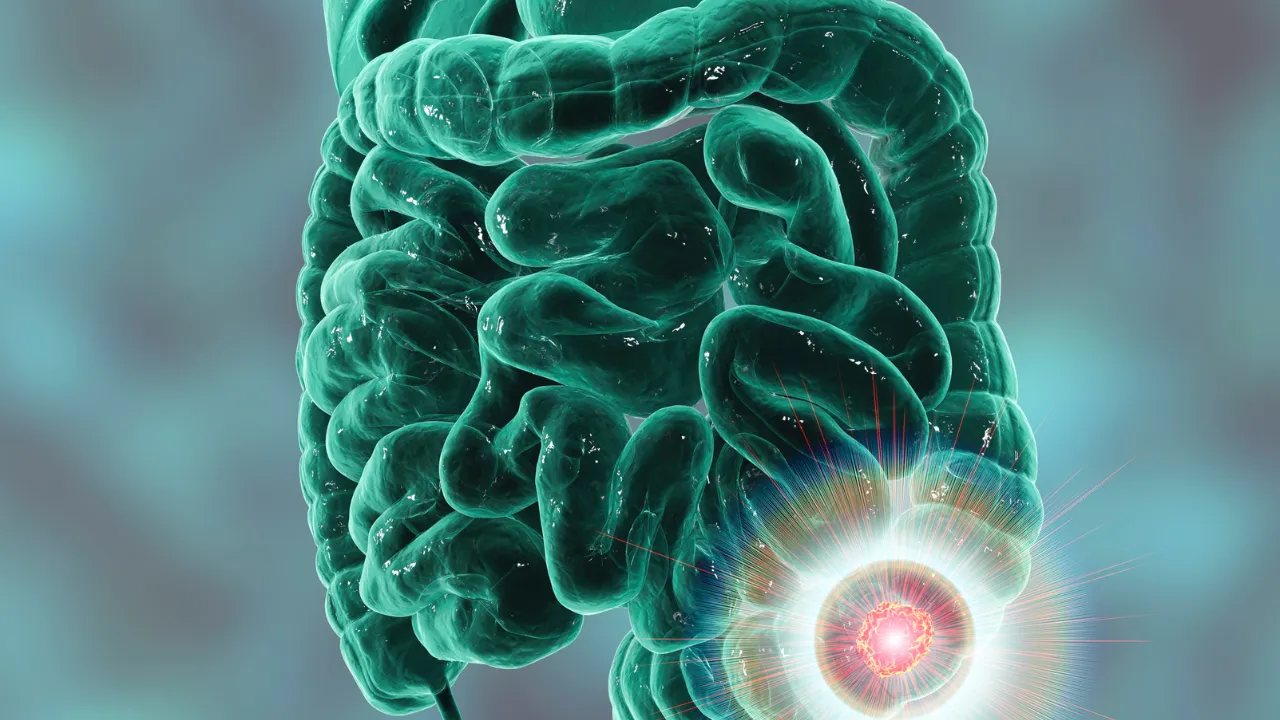
Intestinal diseases are becoming increasingly common, are one of the main causes of loss of quality of life, and tend to be difficult to manage because many of their causes are still unknown.
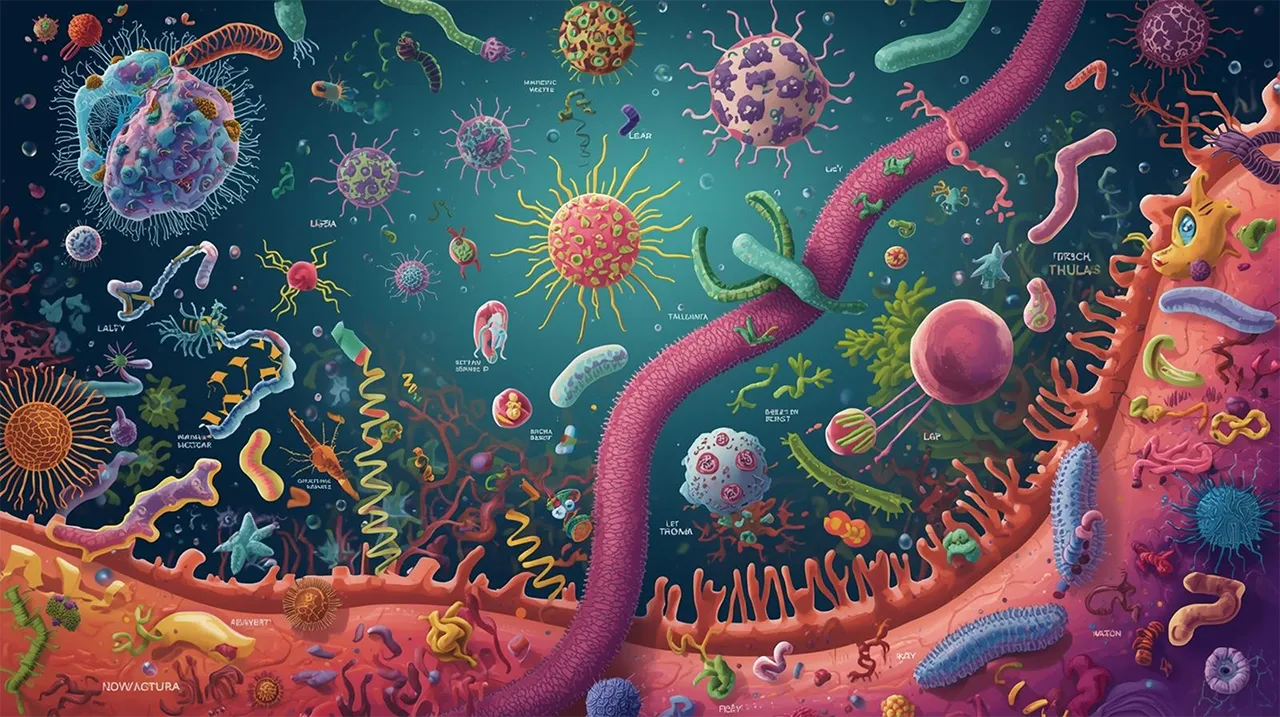
The gut microbiota is now considered another organ of the body and is essential for maintaining intestinal health. Its impact on nutritional processes has been proven.
Modulating the gut microbiota, and therefore digestive function, is a new frontier we’re opening to improve people’s intestinal health. This is where some recently developed postbiotic strains, created through complex technologies and now available, play a clear and positive role.
To improve digestive health, postbiotics such as BPL1 or ES1 act on:
The clear result is a reduction in many of the symptoms of inflammatory or chronic intestinal diseases, such as bloating, cramps, constipation, fecal urgency, and colitis.
Postbiotics are the new generation of probiotics, ready to improve outcomes in intestinal health, allowing us to achieve better digestive health along a well-paved intestinal highway.
Good digestive health translates into better nutrition, better food absorption, better bowel movements, and a better quality of life.
And a better quality of life means well-being and longevity.

 Spanish
  English