
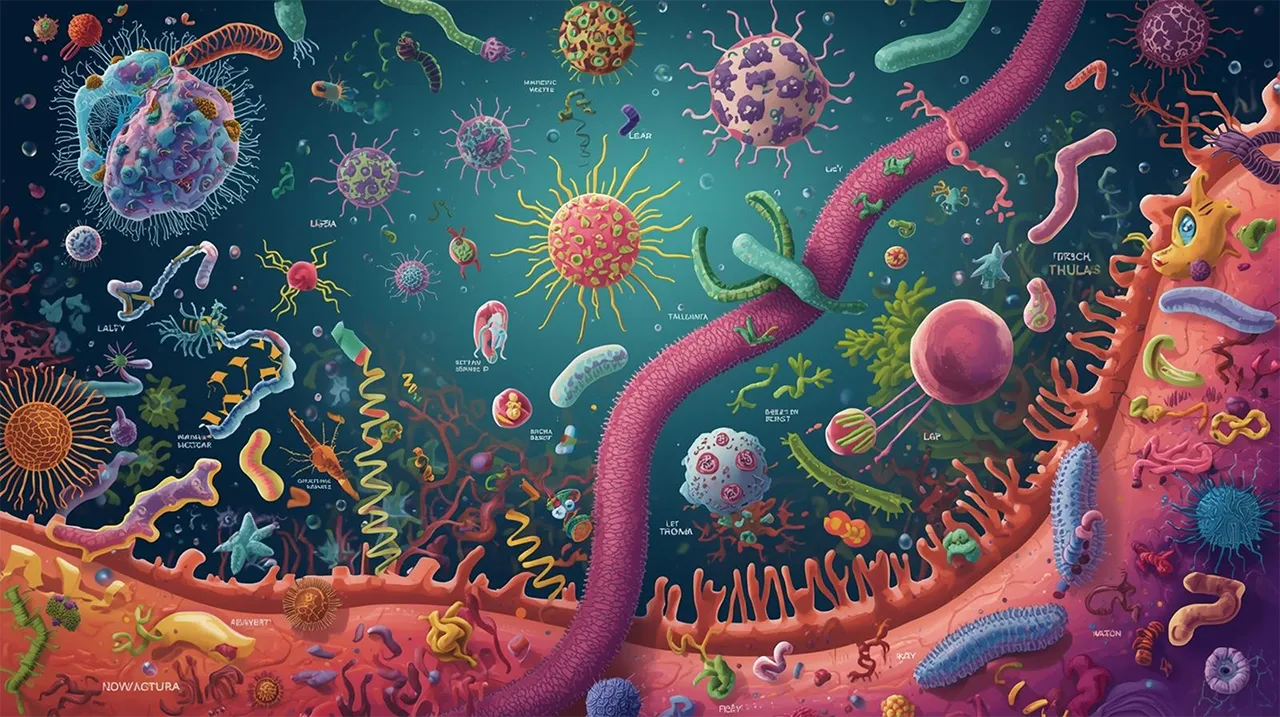
The gut microbiota has been a hot topic over the past few years. The gut microbiota is simply the trillions of microbes that inhabit our intestine, mainly the colon.
These intestinal microbes have several functions:
It’s interesting to note that the mature or adult gut microbiota finishes forming between ages 3 and 4. This microbiota depends on multiple factors to be normal and healthy, or abnormal and dysbiotic.
The way our children are born, breastfeeding versus formula feeding, admission to neonatal care, gestational age at birth, and the use of antibiotics in the mother or in the child are all factors that can modify the gut microbiota.
A gut microbiota affected by any of these factors, and many others, alters the functions we mentioned. The result is an imbalance in digestive, neurological, and immune function, and even a tendency toward obesity.
Postbiotics help keep the gut microbiota balanced, healthy, active, and viable to promote health, either by preventing many adult-onset diseases or by reducing the risk of skin and respiratory allergies.
Research on postbiotics is very recent and there aren’t many available for use yet. Species such as Lacticaseibacillus rhamnosus GG postbiotic, Bifidobacterium lactis BPL1, or Bifidobacterium longum ES1 are among the most important.
The action of these postbiotics on the gut microbiota is diverse. One way they work is by balancing the microbiota and maintaining normal, adequate levels of the species responsible for its functions. Among other actions:
All these actions help maintain a healthy digestive tract with good intestinal function, preventing the onset of inflammatory diseases in this important system.
Keeping a healthy gut microbiota from the newborn stage through childhood, adolescence, and adulthood brings wonderful benefits to health and future quality of life.
Let’s protect the gut microbiota the way we protect the heart, the lungs, or the brain. This new organ performs amazing actions in the body’s function that we’re only just beginning to discover.

 Spanish
  English