


As mentioned previously, in the late 20th century new concepts in nutrition emerged, driven by lifestyle changes and the human desire to improve quality of life.
Functional food is defined as “a product, modified food, or food ingredient that provides health benefits beyond those of traditional foods” (Ashwell, 2001).
Nutraceuticals are defined as “foods or parts of foods that provide medical or health benefits, including the prevention and/or treatment of disease, with therapeutic capacity beyond basic nutritional value; they are also natural products with biologically active properties” (Alberto Ramos Cormenzana, 2012).
Functional foods share a common feature:
Potential benefits include:
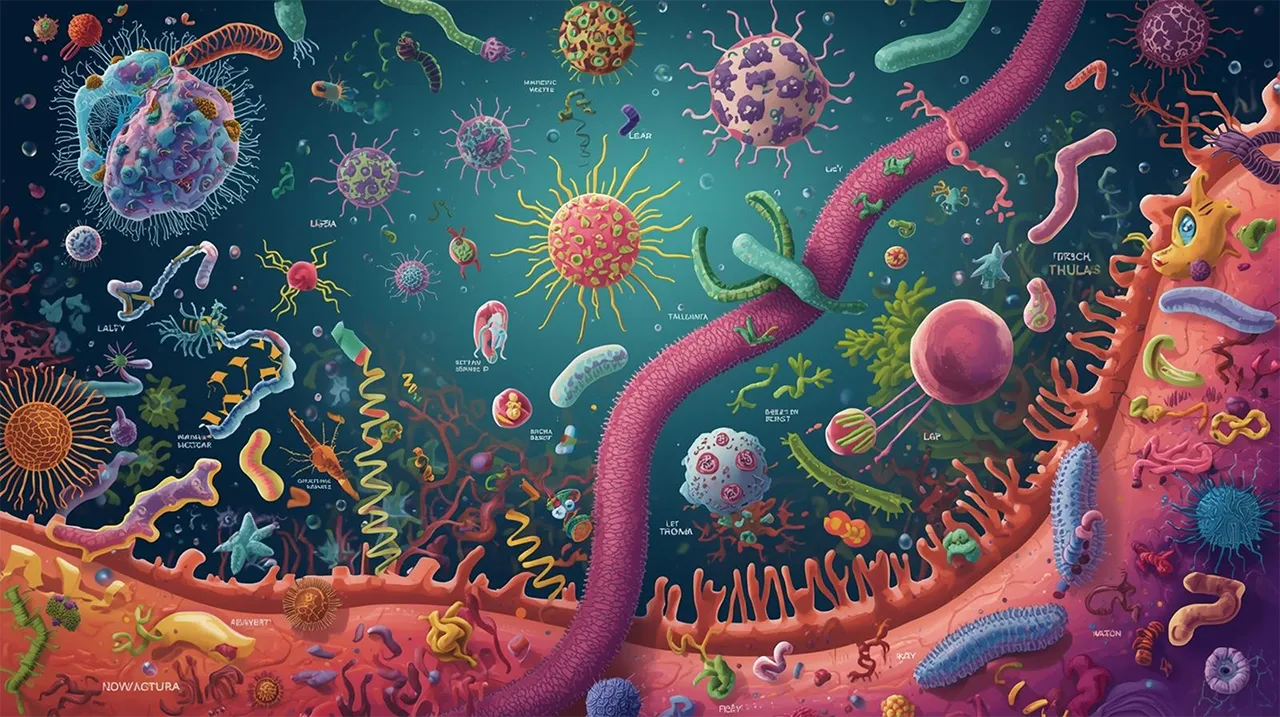
A probiotic is a microorganism that, when administered in adequate amounts, provides health benefits.
Key characteristics:
Functions:
Effectiveness depends on:
They are used in preventing or treating:
These products may include:
Applications:
Prebiotics enhance probiotic effectiveness.
Traditional medicine includes knowledge derived from cultural practices aimed at preventing and treating disease.
It often uses:
Some formulations use:
Benefits:
Key factors:
Delivered as micellar liquid suspensions for optimal intestinal distribution and absorption.
Probiotics exert immunomodulatory effects:
Mechanisms include:
Some strains may:
Includes:
Evidence shows:
Effects:
Functional foods are part of modern therapeutic strategies with scientific backing.
Key elements:
Ongoing research and innovation will continue expanding their role in disease prevention and treatment.

 Spanish
  English