“We are what we eat” – Hippocrates
In recent years, global trends have increasingly focused on well-being: environmental awareness, evolving lifestyles, and, above all, health as a fundamental pillar for achieving a good quality of life.
Well-being, understood as a state in which physical and mental conditions provide a sense of satisfaction and calm, has become a key objective for individuals.
Although perceptions of well-being vary from person to person, there is general agreement that it is based on five core pillars:
- Proper sleep hygiene
- Healthy nutrition
- Emotional stress management
- Regular physical activity
- Cognitive stimulation (continuous learning)
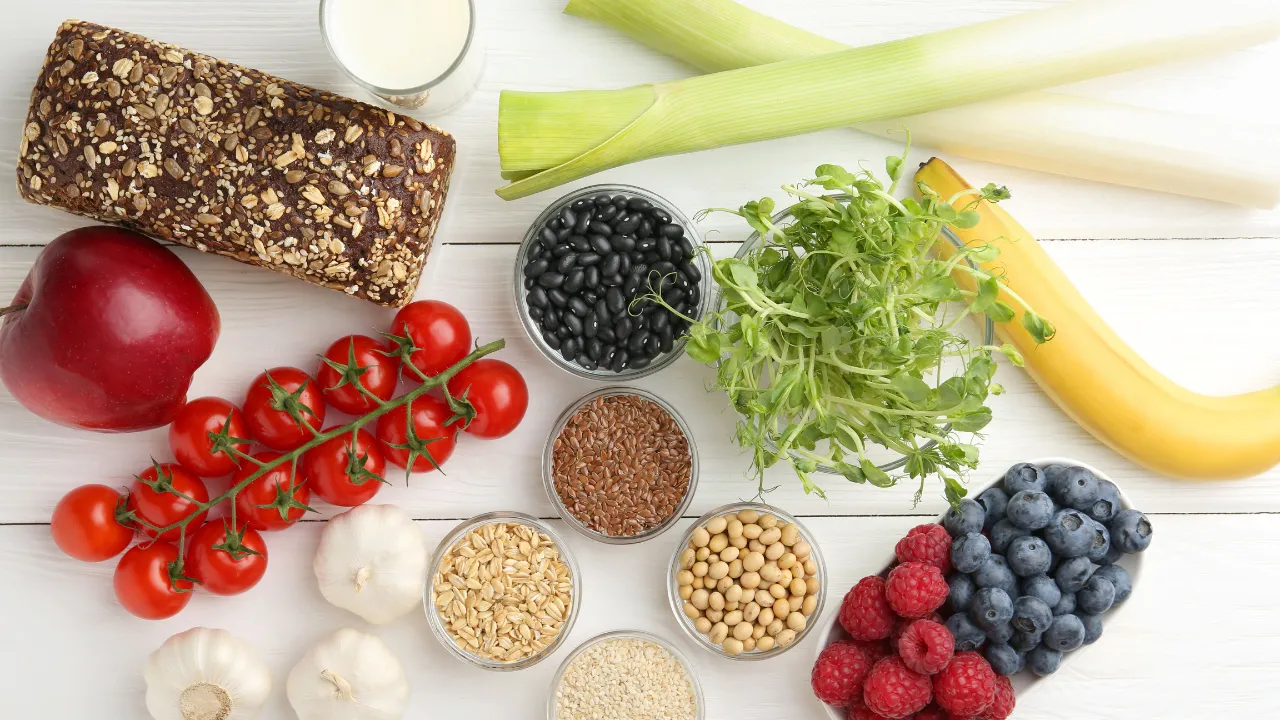
Food and health
A balanced and varied diet provides the nutrients necessary to meet the body’s needs and prevent disease.
However, factors such as:
- Lack of time
- Consumption of processed foods
- Fast-paced lifestyles
have led many people to neglect proper nutrition.
Increased life expectancy has also driven research into foods that help reduce cardiovascular disease, osteoporosis, and cancer.
What are functional foods?
The concept of functional foods emerged as an evolution of the idea of “healthy food.”
A functional food is one that:
- Has been modified or contains active ingredients
- Provides additional health benefits
- Goes beyond basic nutrition
Definitions of functional foods
Different organizations have defined functional foods:
- U.S. National Academy of Sciences: foods that improve well-being or reduce disease risk.
- ILSI (International Life Sciences Institute): foods with physiologically active components that provide additional health benefits.
- IFIC (International Food Information Council): foods consumed as part of the daily diet that produce positive metabolic or physiological effects.
- FUFOSE (European Union): foods that are modified or enriched to improve their health impact.
Characteristics of functional foods
A functional food should:
- Be part of the daily diet
- Provide long-term benefits
- Improve physiological functions
- Support the immune system
- Contribute to physical and mental balance
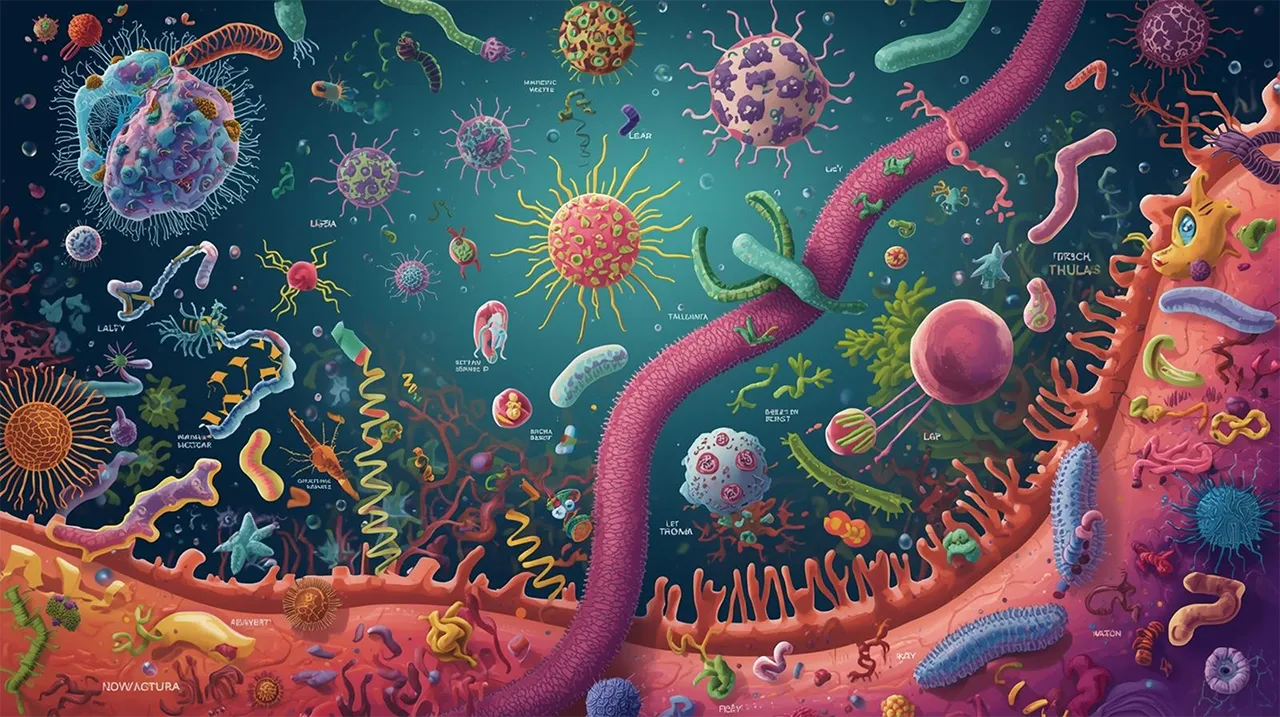
Human microbiota
The intestinal microbiota is a complex ecosystem composed of more than 1,000 microbial species.
It begins forming at birth and is influenced by:
- Type of delivery
- Diet
- Environment
- Gestational age
Its functions include:
- Immune system development
- Regulation of inflammation
- Energy metabolism control
- Maintenance of homeostasis
Today, it is considered a “microbial organ” due to its impact on overall health.
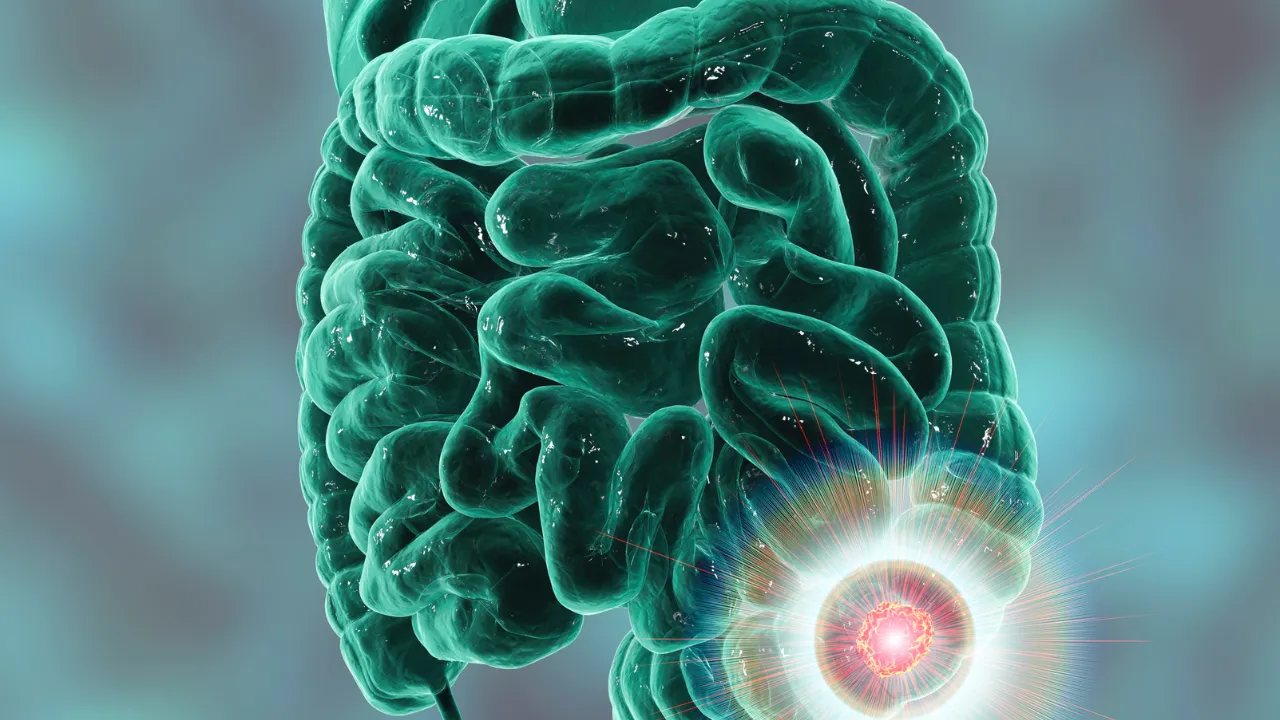
Microbiota and disease
An imbalance in the microbiota may be associated with:
- Obesity
- Type 2 diabetes
- Inflammatory bowel disease
- Liver diseases
- Intestinal cancer
Research on the human microbiome aims to better understand these relationships.
Innovation in nutrition
Advances in genetics and molecular biology will allow:
- Development of strategies to balance the microbiota
- Disease prevention
- Creation of more targeted and effective products
Significant growth is expected in the use of:
- Probiotics
- Prebiotics
- Synbiotics
- Functional foods
Why consume functional foods?
Functional foods:
- Improve nutrient utilization
- Are easy to consume
- Provide additional health benefits
- Are supported by scientific research
When they meet quality standards, they can be an effective tool to improve health.
Conclusions
- A functional food is not just any food, but one that has an active effect on the body.
- The intestinal microbiota plays a key role in overall health.
- Regular consumption of functional foods should be part of a healthy lifestyle.
- The quality and composition of functional foods determine their effectiveness.
- Scientific research will continue to drive the development of these products in the future.
References
- Ramos Cormenzana, A. (2012). Probiotics and Health. Madrid: Ediciones Díaz de los Santos.
- Campeotto, F. (2007). Establishment of intestinal flora in newborns. Gastroenterologie Clinique et Biologique.
- Cani, P. D. (2008). Role of gut microflora in obesity and insulin resistance. Pathologie Biologie.
- Ferreira Montero, I. J. (2007). Functional foods and nutraceuticals. Spanish Society of Cardiology.
- Valenzuela, A. (2014). Functional foods and nutraceuticals. Chilean Journal of Nutrition.
Text written by Octavio Dávila | Scientific Director



 Spanish
  English