To value your microbiota, you first need to take care of it. This vast community of intestinal microbes plays a fundamental role in your health.
Our relationship with these microorganisms begins even before birth. During pregnancy, we are already exposed to microbes that later become part of our microbiota. At birth, bacteria colonize our body and establish a symbiotic relationship.
How does this relationship work?
Microbes receive nutrients and a suitable environment, while they:
- Protect us from pathogens
- Strengthen the immune system
- Support overall balance
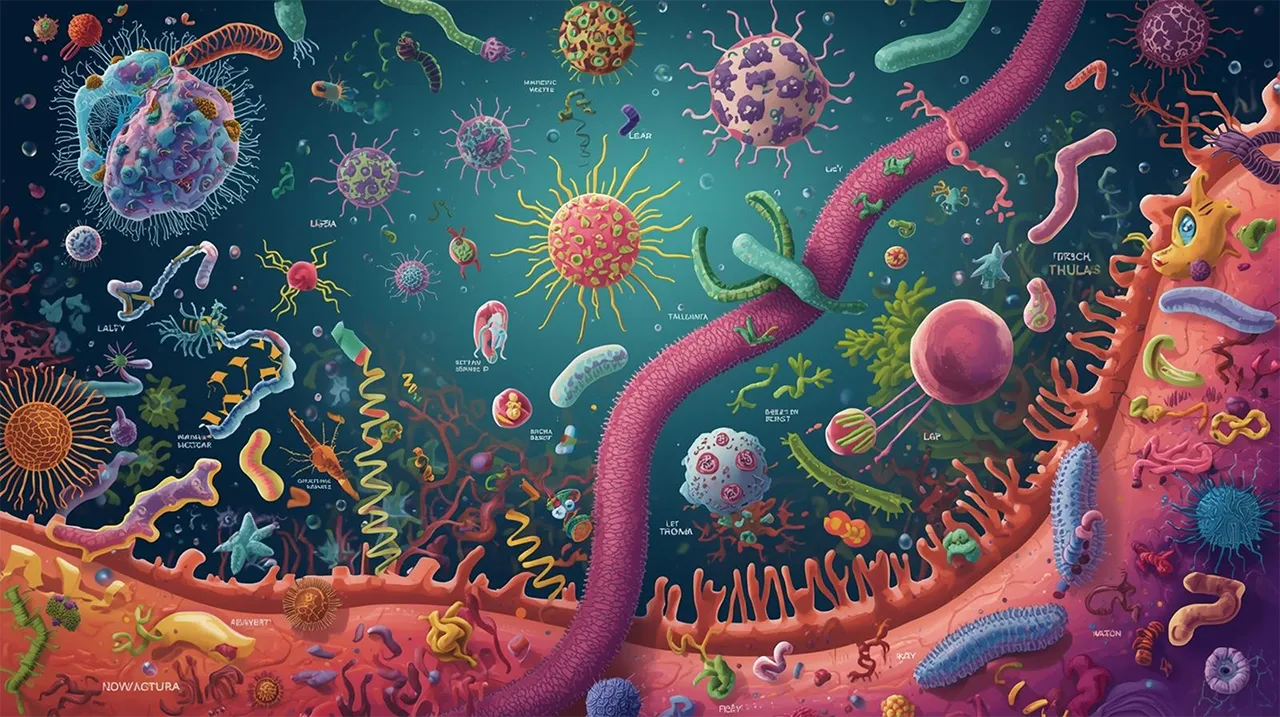
The gut microbiota is a complex ecosystem interacting with our body.
The microbiota: an additional organ
- Around 100 trillion bacteria
- Over 1,000 species
- Up to 3 kg of body weight
- 150 times more genes than humans
Due to its complexity, it is considered almost an organ.
Key facts
- Beneficial microbes are commensal and mutualistic
- Maturity is reached at 3–4 years of age
- Early balance helps prevent adult diseases
How is microbiota acquired?
It develops through:
- Pregnancy: maternal transfer
- Birth: vaginal delivery improves colonization
- Breastfeeding: provides natural probiotics
- Diet: fruits and vegetables promote good bacteria
- Other factors:
- Antibiotics
- Lifestyle
- Environment
The goal is eubiosis (balance), avoiding dysbiosis (imbalance).
Main functions
Nutrient metabolism
- Produces short-chain fatty acids
- Regulates fats, carbs, and proteins
Vitamin synthesis
Produces:
Immune system
- Strengthens gut barrier
- Fights pathogens
- Activates immune defenses
Gut health
- Regenerates intestinal cells
- Maintains barrier integrity
Gut-brain axis
The gut communicates directly with the brain, influencing:
- Mood
- Anxiety
- Behavior
- Depression
Inflammation and dysbiosis
Imbalance can cause:
- Chronic inflammation
- Intestinal permeability
- Systemic health issues
Microbiota and obesity
- Imbalances can promote fat accumulation
- Linked to metabolic syndrome
- Certain probiotics may reduce abdominal fat
Microbiota and diseases
Associated conditions include:
- Irritable bowel syndrome
- Inflammatory bowel disease
- Obesity
- Skin allergies
- Arthritis
- Parkinson’s, Alzheimer’s, autism
Psychobiotics: microbiota & mental health
Some bacteria produce neurotransmitters:
- Serotonin (happiness)
- Dopamine (motivation)
- GABA (relaxation)
How to improve your microbiota
It requires more than just probiotics:
- Proper strain selection
- Balanced nutrition
- Prebiotics + probiotics
Recommended habits
- Natural diet
- Regular exercise
- Quality sleep
- Stress management
- Continuous learning
“Let food be thy medicine.” — Hippocrates


 Spanish
  English