


Nutraceuticals are one of the global health trends and are becoming increasingly known among the general population. However, do you really know what nutraceuticals are and the benefits they provide to your body?
If not, let us explain, starting with a bit of history.
The term “nutraceuticals” was coined in 1989 by Dr. Stephen DeFelice, who defined them as:
“A food or part of a food that provides medical or health benefits, including the prevention and/or treatment of diseases.”
Later, Dr. DeFelice expanded this definition to:
“Foods, supplements, or medicinal foods that provide medical-health benefits, including the prevention or treatment of diseases.”
Today, the definition has evolved to:
“Active chemical or biological substances that can be found as natural components of foods or added to them. They are presented in non-food matrices (pills, capsules, powders, etc.), and when administered in doses higher than those found in food, they are presumed to have a greater beneficial effect on health than the food itself.”
(Pérez, H. Nutraceuticals: an emerging component for health benefits. ICIDCA No. 3, 2006)
Nutraceuticals are essentially parts of foods that act within the body and help improve health over the medium and long term.
Currently, they are consumed as supplements to improve nutritional deficiencies and can also support patients undergoing medical treatments, including those with chronic diseases.
Their main benefit is their nutritional and energy value, but they can also help prevent and treat diseases by acting on various body functions.
Another key characteristic is that nutraceuticals are of natural origin and have biologically active properties. As referenced in the book “Probiotics and Health,” “the world of nutraceuticals is the world of naturally derived medicines.”
Nutraceuticals can be considered specialized functional foods, as they are not part of the daily diet. They can have a defined pharmacological or therapeutic effect on one or more body functions.
Nutraceuticals have demonstrated positive effects, particularly in preventive health, by influencing physiological processes.
They help prevent chronic diseases such as:
They can also support individuals already affected by diseases, improving symptoms or underlying causes.
While the field is constantly evolving, nutraceuticals generally contain concentrated essential substances naturally found in foods.
They are available in multiple forms such as powders, capsules, chewable tablets, liquids, and dairy-based preparations, making them easy to consume.
Nutraceuticals are increasingly used in chronic conditions such as diabetes, obesity, and menopause.
Help regulate blood sugar metabolism.
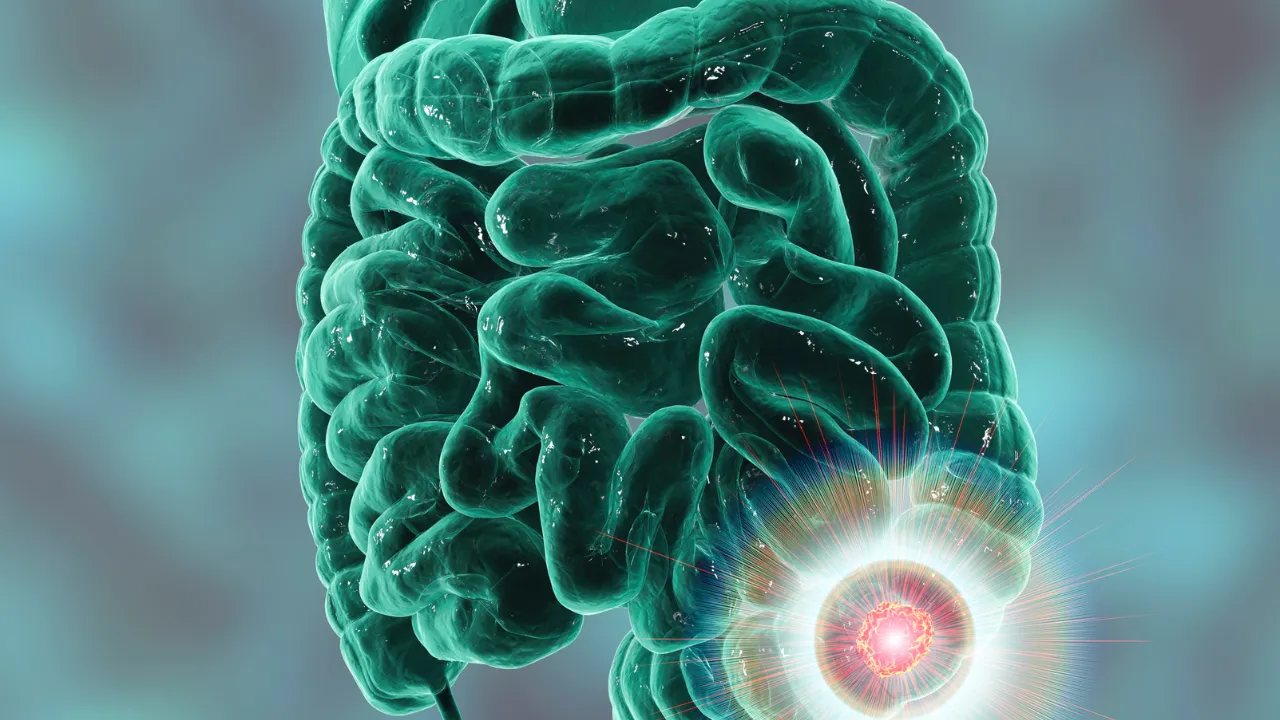
Support gut health and metabolism.
Improve mineral absorption and reduce osteoporosis risk.
A symbiotic nutraceutical combining lactobacilli and bifidobacteria.
Contains L. bulgaricus and L. acidophilus to support gastrointestinal health.

 Spanish
  English