

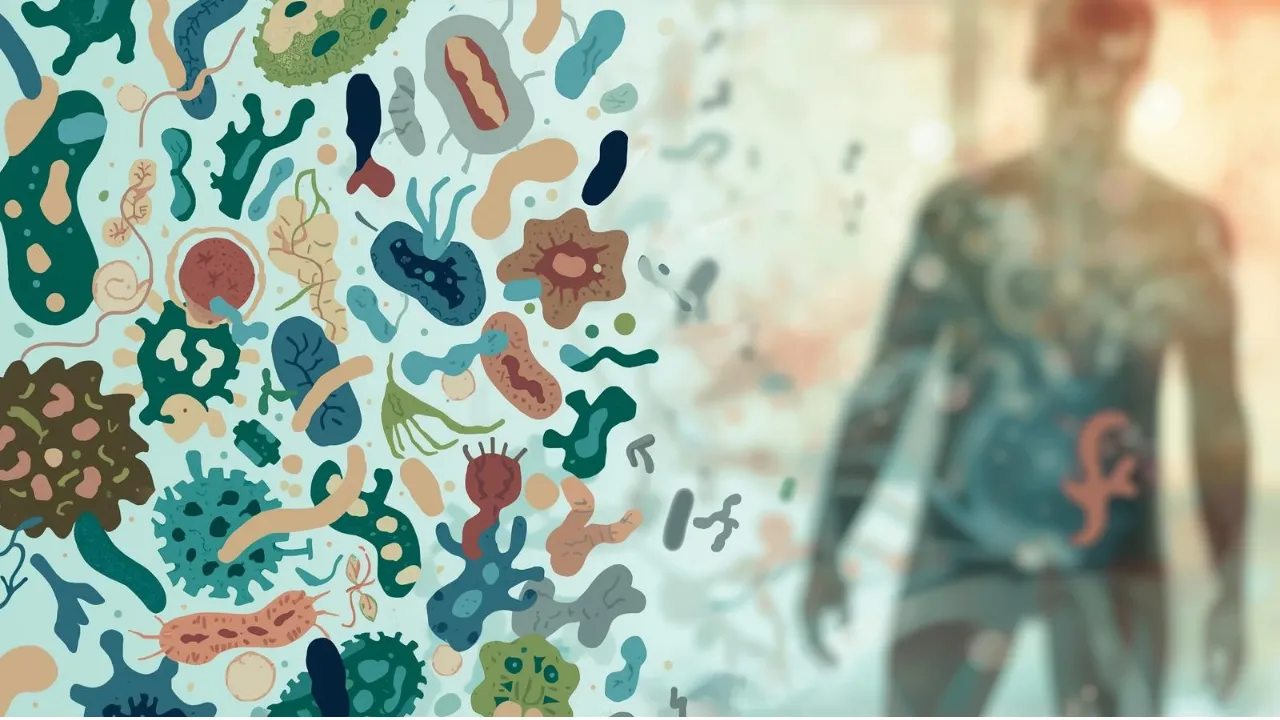
In recent years, we’ve heard a lot about prebiotics and probiotics, but now a new term is emerging: postbiotics. The World Health Organization tells us that probiotics are living microorganisms that, when consumed in sufficient amounts, benefit our health.
Today, scientific research is booming, with a large number of patents worldwide. Prebiotics, on the other hand, are food for probiotics, essentially nourishing them so they maintain a healthy balance in our body.
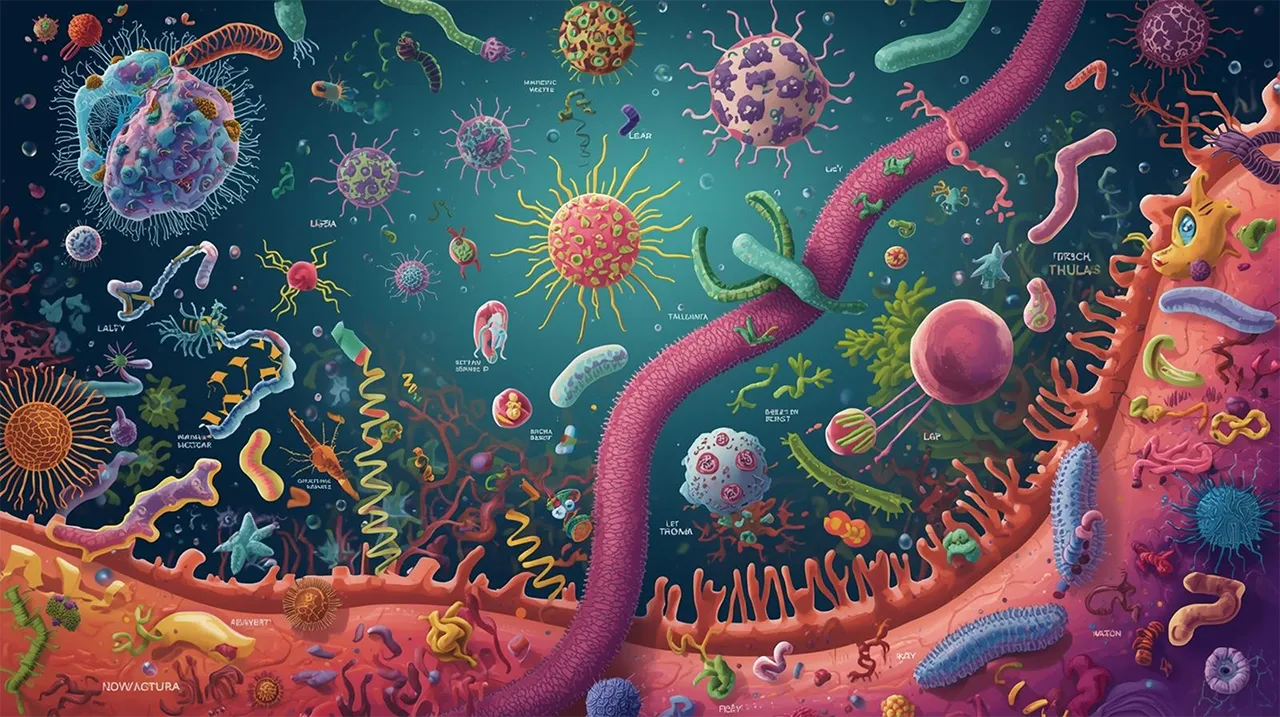
Postbiotics are a new addition to this field of study. They are microorganisms that, although not alive, contain molecules that act in beneficial ways for our health. They differ from probiotics in that they are more stable and not easily altered.
These postbiotics can have positive effects on different parts of our body, such as the digestive system, the oral cavity, the skin, and more. Their benefits are backed by scientific studies showing antimicrobial, antioxidant, antitumor, immunomodulatory, and metabolic effects.
In particular, some postbiotics have been shown to help balance metabolism, which can be crucial in issues such as weight gain. This is achieved by influencing certain intestinal bacteria and regulating processes such as calorie production and the metabolism of cholesterol and sugars.
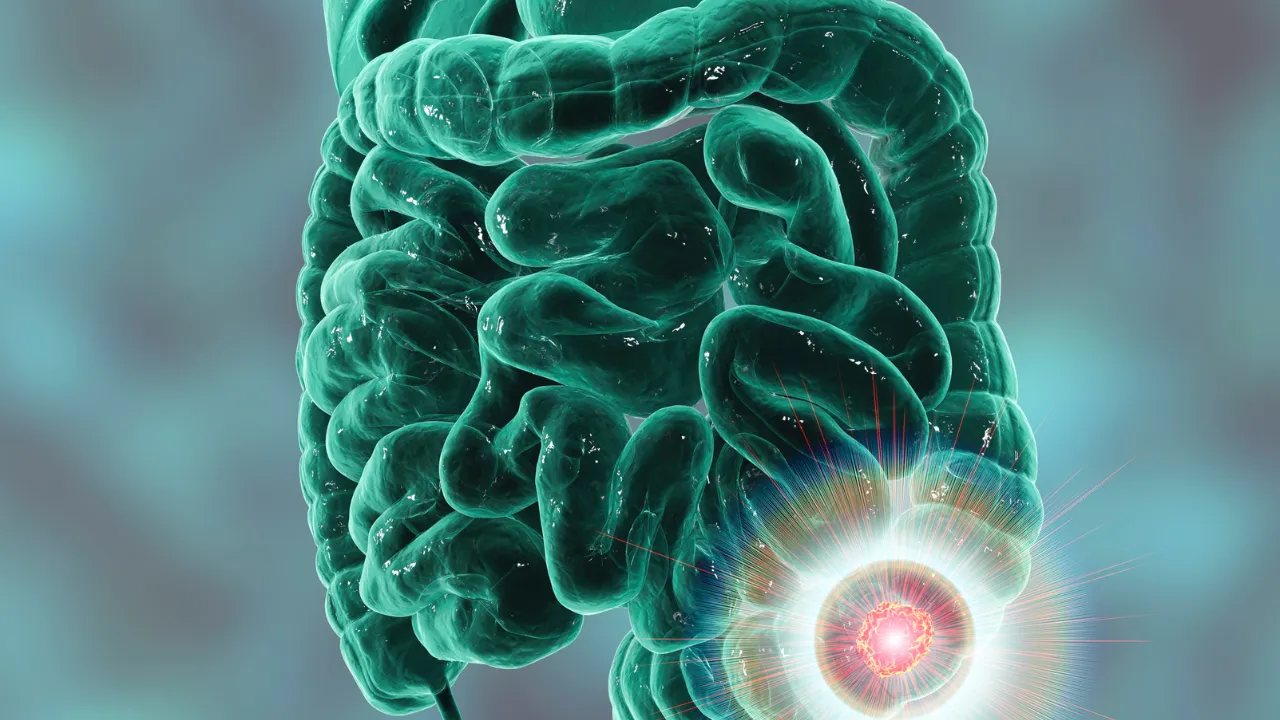
By improving these aspects, postbiotics can contribute to better health and quality of life, reducing the risk of diseases such as cardiovascular and cerebrovascular conditions, fatty liver, and colon cancer.
It’s essential to choose postbiotics from reliable sources backed by scientific studies. With growing interest in these products, it’s important to seek proper guidance from medical professionals familiar with them.
With the microbiota now considered an important organ, future advances in this area promise innovative solutions through functional foods and supplements in the years to come.
Postbiotics represent a new era in medical research, offering hope for the prevention and treatment of various diseases. It’s essential to understand their benefits and how they can improve our health in the long term.

 Spanish
  English