

Different products are currently marketed to strengthen consumers’ immune systems. Nearly 90% of people want to purchase products to improve immunity, yet only half actually do. Why?
The overwhelming number of products claiming to “boost the immune system” without sufficient scientific support, along with consumer disappointment when results are not achieved, are key reasons.
Factors such as product safety, effectiveness, ingredient origin, ease of use, and consumer acceptance also influence decisions and often discourage use.
Probiotics, as functional foods in liquid form, taken directly at the correct dosage, quickly and easily, with a pleasant taste, suitable for all ages and health conditions, and formulated to ensure real benefits, represent the core characteristics considered for end users.
Elie Metchnikoff (1845–1916) was one of the scientists who transformed medicine and immunology. His curiosity led him to study how cells, structures, and physiological processes interact. He described phagocytosis and studied inflammation.
He later proposed that aging could result from chronic intestinal intoxication caused by microbes, suggesting that diet and lifestyle could influence this process.
Through anthropological studies of populations consuming fermented milk rich in Lactobacillus, he linked these bacteria to longevity.
He received the Nobel Prize in 1908 for his contributions to immunology.
Today, science has validated many of his hypotheses and expanded knowledge on gut microbiota, probiotics, and prebiotics.
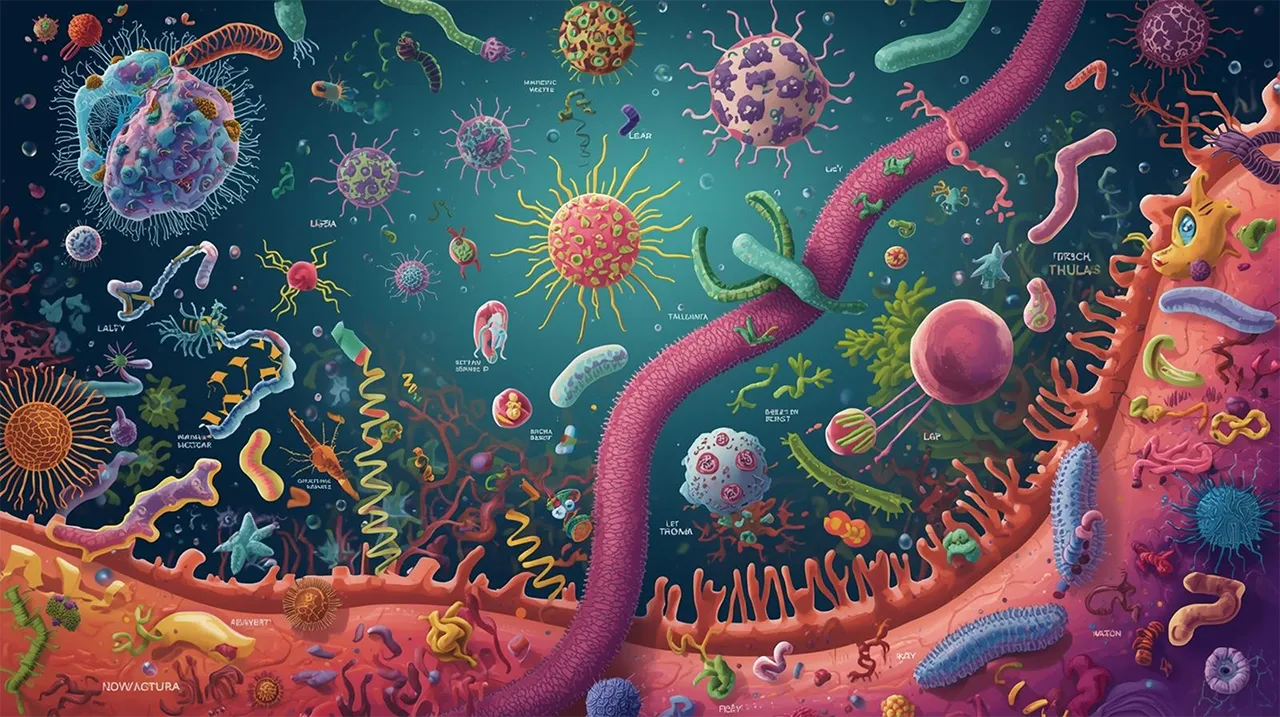
The human body is constantly exposed to microorganisms found in the skin, mouth, respiratory tract, digestive system, and urinary tract.
The immune system protects the body through:
At birth, infants receive maternal immune protection. However, infections are common in early life.
Conditions such as prematurity or congenital diseases can affect immunity and development.
Prevention is essential: proper nutrition, sleep, vaccination, physical activity, and environmental exposure.
The gut plays a central role, as it houses a large portion of the immune system.
In adulthood, factors such as diet, sedentary lifestyle, alcohol, smoking, antibiotics, and disease affect gut microbiota.
“All disease begins in the gut,” attributed to Hippocrates.
Common diseases include cardiovascular conditions, obesity, diabetes, and chronic illnesses.
Improving health requires discipline and lifestyle changes.
Probiotics act:
Their mechanisms include:
They have immunomodulatory effects on both innate and adaptive immunity.
Not all probiotics are equal—their effectiveness depends on strain, dosage, and scientific validation.
The immune system is complex and constantly influenced by lifestyle factors. While it can be weakened, it can also be strengthened through proper habits and scientifically supported products.
Probiotics are effective tools when used correctly (right strain, dose, and formulation).
Choosing correctly is not luck—it is informed decision-making.

 Spanish
  English