


Consuming probiotics during pregnancy can significantly improve your health and your child’s future health. If you want to know how and why, keep reading.
Pregnancy is one of the most important and beautiful stages in a woman’s life. It also involves a series of changes in body anatomy and function.
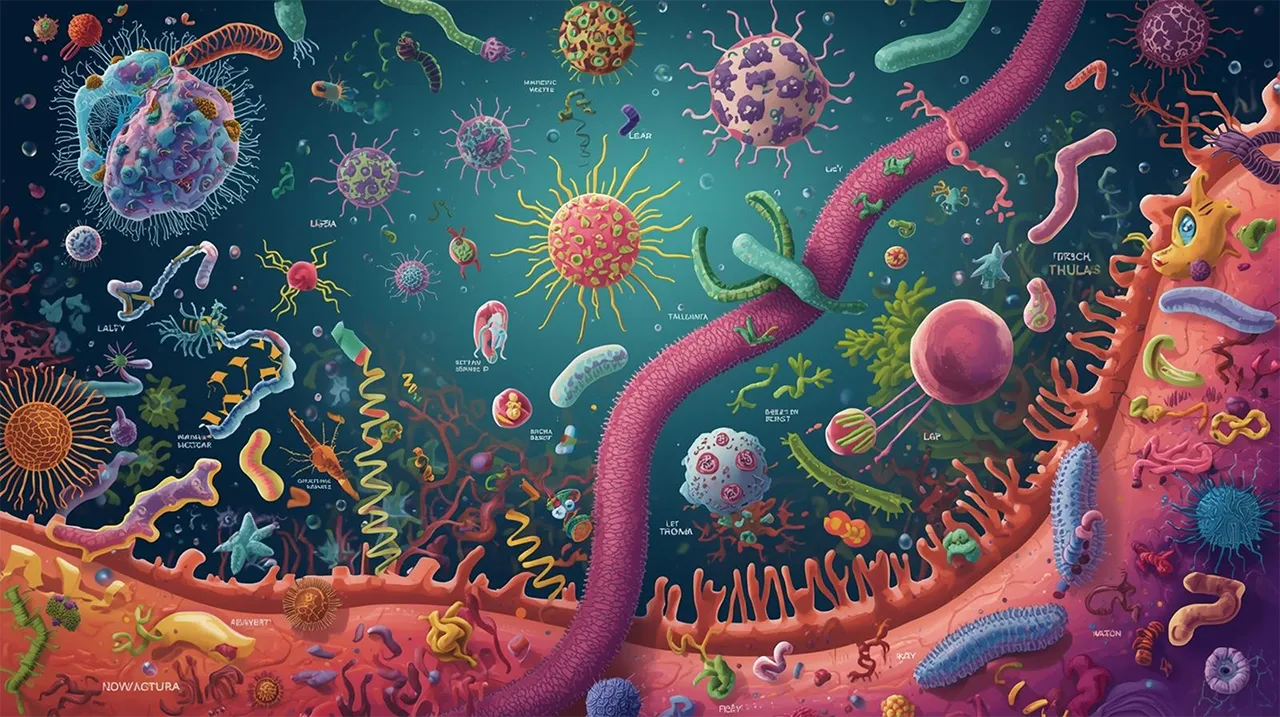
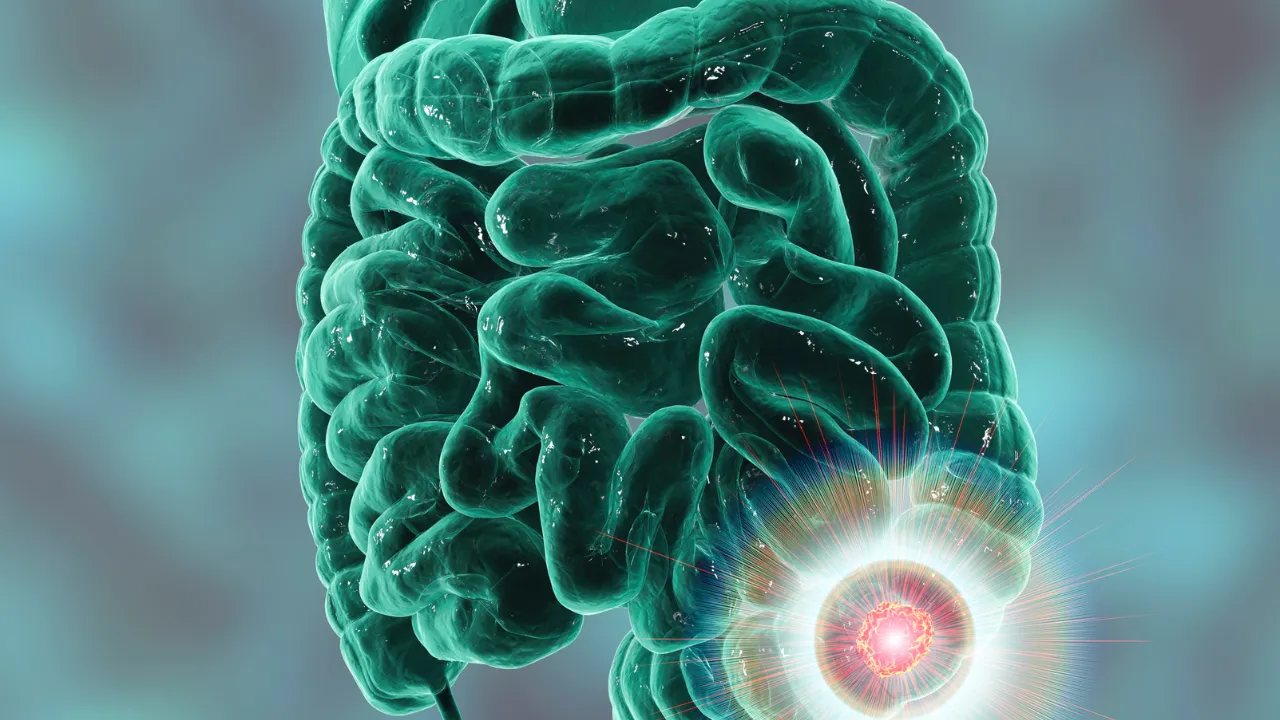
Food type and often quantity change during this stage; we need to nourish two beings. The gut microbiota, previously known as intestinal flora, made up of trillions of bacteria in the intestine, is vital for maintaining optimal intestinal function and healthy vaginal bacteria at the time of birth.
The use of probiotics during pregnancy can also help prevent complications associated with gestation. Therefore, many benefits can be obtained from using probiotics during this period.
Not only can they be taken, but they should be taken during pregnancy. The benefits of probiotics during gestation are clearly demonstrated.
Colonization of the breast with “good bacteria” such as probiotics is ideal so that these microorganisms are transferred to the newborn during pregnancy and at birth, helping populate the infant’s intestine and reducing the risk of infections.
Throughout life, a woman is physiologically preparing for pregnancy.
Humans are constantly exposed to countless microbes that shape and establish the immune system.
The immune system creates many types of cells responsible for attacking harmful external agents. The intestine contains the largest network of these cells, over 80%.
In the intestine, probiotics interact with local cells and help perform multiple functions, including creating defensive “soldiers.”
These soldiers, known as antibodies, are transferred to the fetus through the placenta, providing essential protection at birth.
These microbes that make up the breast microbiota must be healthy and well maintained through proper nutrition.
The birth process is vital for the child’s future. Cesarean delivery creates differences compared to vaginal birth.
Studies show that children born via cesarean section are more susceptible to diseases such as inflammatory bowel disease and obesity.
During vaginal birth, the baby comes into contact with the mother’s microbiota, initiating intestinal colonization with beneficial bacteria.
This interaction supports nutrient absorption, vitamin activation, fatty acid production, and immune defense mechanisms.
In contrast, cesarean birth exposes the baby to a sterile environment and hospital bacteria, missing this crucial first contact.
Breast milk contains probiotic bacteria such as lactobacilli and bifidobacteria, which help populate the infant’s microbiota.
They support intestinal function, nutrient metabolism, and even influence emotional health by contributing to neurotransmitter-related processes.
In addition to general benefits, bifidobacteria offer specific advantages for pregnant women:
A deficiency in bifidobacteria may increase the risk of complications during pregnancy.
Since this is a sensitive period, it is important to consult a healthcare professional about the most suitable supplements.
Few products are specifically formulated for pregnancy, and only certain supplements are approved for use.
Proper medical guidance is essential, either through prenatal care professionals or physicians.
You can also consult a medical professional through our WhatsApp service.
Octavio Davila
MD Pediatrician
Scientific Director Guleben

 Spanish
  English