


Welcome to our glossary, here you will find a simple definition for complex or less commonly used terms related to probiotics and nutraceuticals.
If there is any term you cannot find and believe should be included, write it in the comments and we will gladly add it.
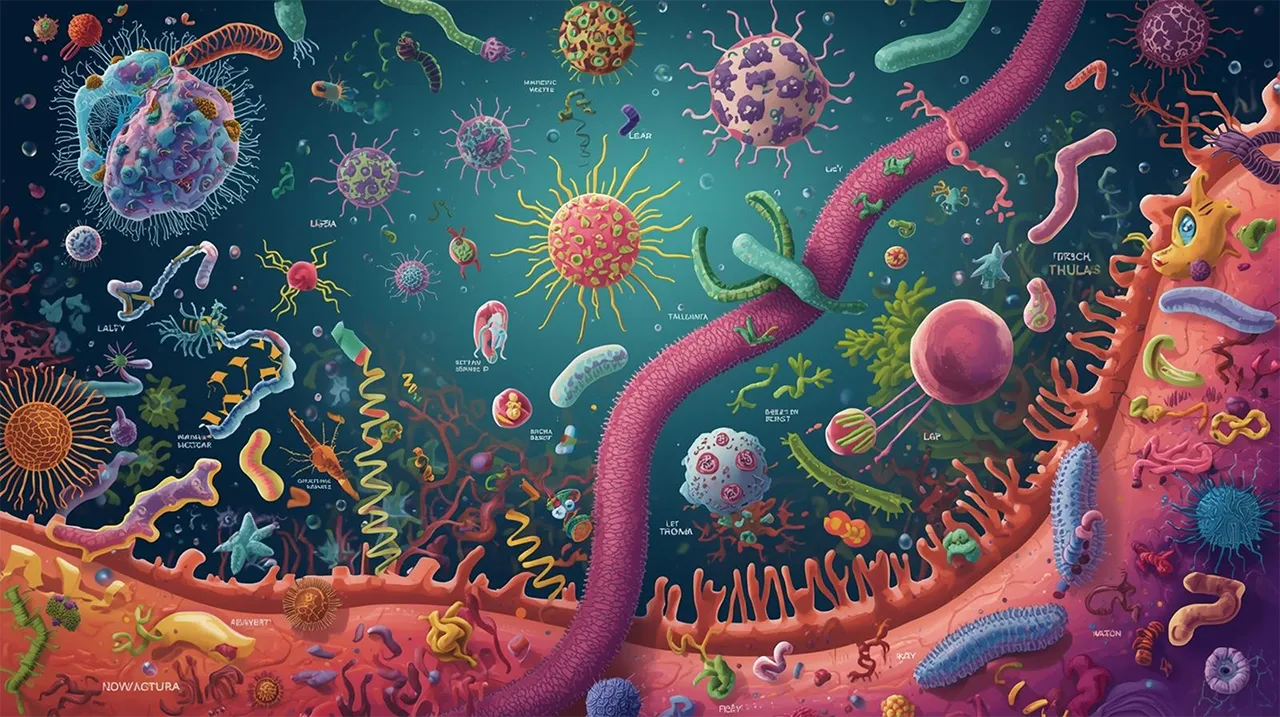
They are millions of microorganisms found on planet Earth and were the first cells to exist more than 4.5 billion years ago.
Bacteria exist outside of us, but also inside our bodies, forming part of a coexistence model with many of our organs.
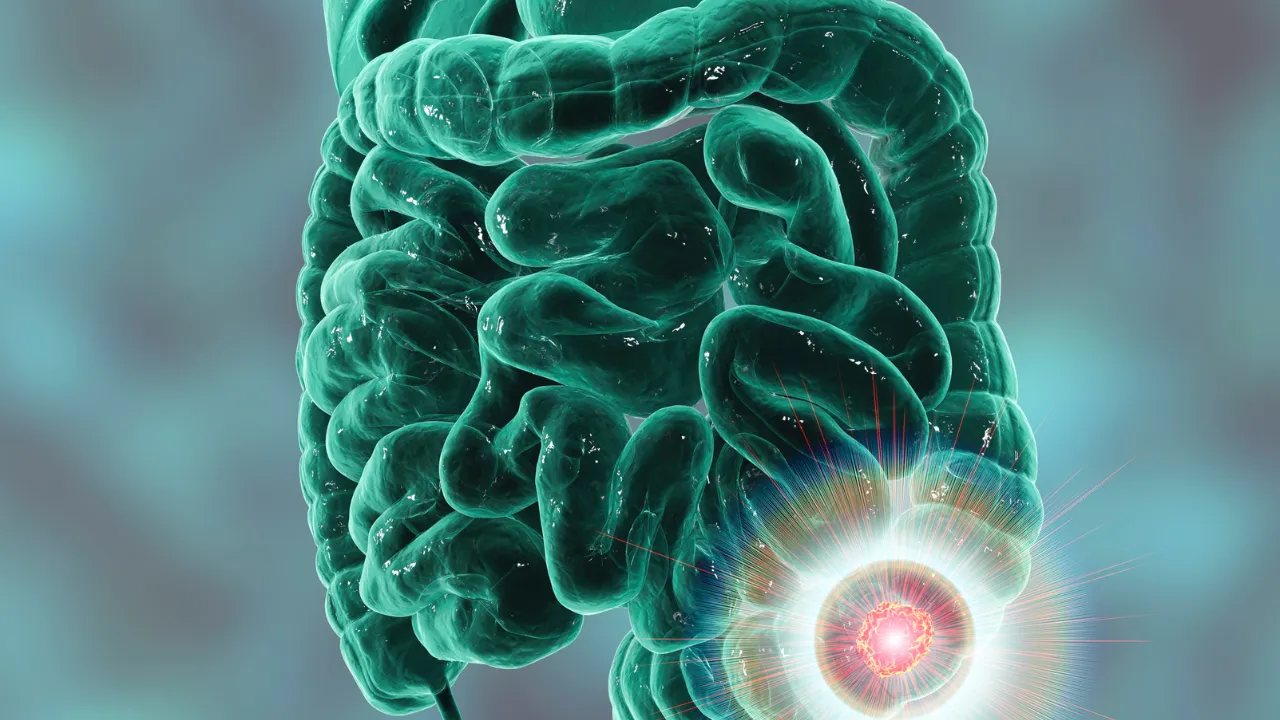
They are bacterial microorganisms, the first to colonize the intestine of a newborn, found throughout the intestine, mainly in the colon of mammals, including humans.
They have very important functions for nutrition, digestion, absorption, and the body’s defense system.
It is the most abundant protein in the body, representing 25% of total body proteins, and is found in all tissues that support us or our organs.
They are usually grouped into fibers, making them more resistant and compact. It decreases with age, and by age 50 we may have lost half of its content.
It is simply the lack of appropriate weight/height for age and becomes one of the main causes of secondary or hidden disease.
It is usually associated with inadequate growth, mental development, and overall development, especially in childhood.
It is an imbalance between the “good” microorganisms that an organ or area of the body should have and the increase of “bad” and harmful microorganisms, favoring the development of disease.
Previously called this way, now known as microbiota, it refers to all the microorganisms found throughout the intestine, mainly in the colon, that interact with intestinal function.
They are probiotic microorganisms that, together with bifidobacteria, are among the two types of bacteria that provide the greatest benefit
They are particles, usually spherical and very small, frequently used as carriers of active substances in the pharmaceutical industry to deliver the ideal amount of a product.
It is the deficiency, excess, or imbalance in the intake of calories and nutrients.
It includes undernutrition, nutrient imbalance, excess weight, obesity, and chronic non-communicable diseases.
They are trillions of microbes present in different organs of our body, including the intestine, skin, genitourinary and respiratory systems, representing about 2–3 kilograms of our total body weight.
It is a food or part of a food that provides health benefits.
They are available in different forms, mixtures, or presentations and are a current trend as nutritional support.
It refers to the nutrients we receive through food and includes the entire process of absorbing and properly using them.
It is critical for good health, body development, and controlling the onset of non-communicable diseases.
It is the care and guidance from birth through adolescence in development, growth, environment, and physical, emotional, and mental upbringing.
They are live microorganisms that, when consumed in adequate amounts, provide health benefits and can help prevent disease.
They are foods that are part of plant fiber and benefit the microbes in our intestine.
Their breakdown generates substances that are very important for maintaining good overall health.
They are the combination of prebiotics and probiotics in a preparation that provides the benefits associated with the selected mixture.

 Spanish
  English