

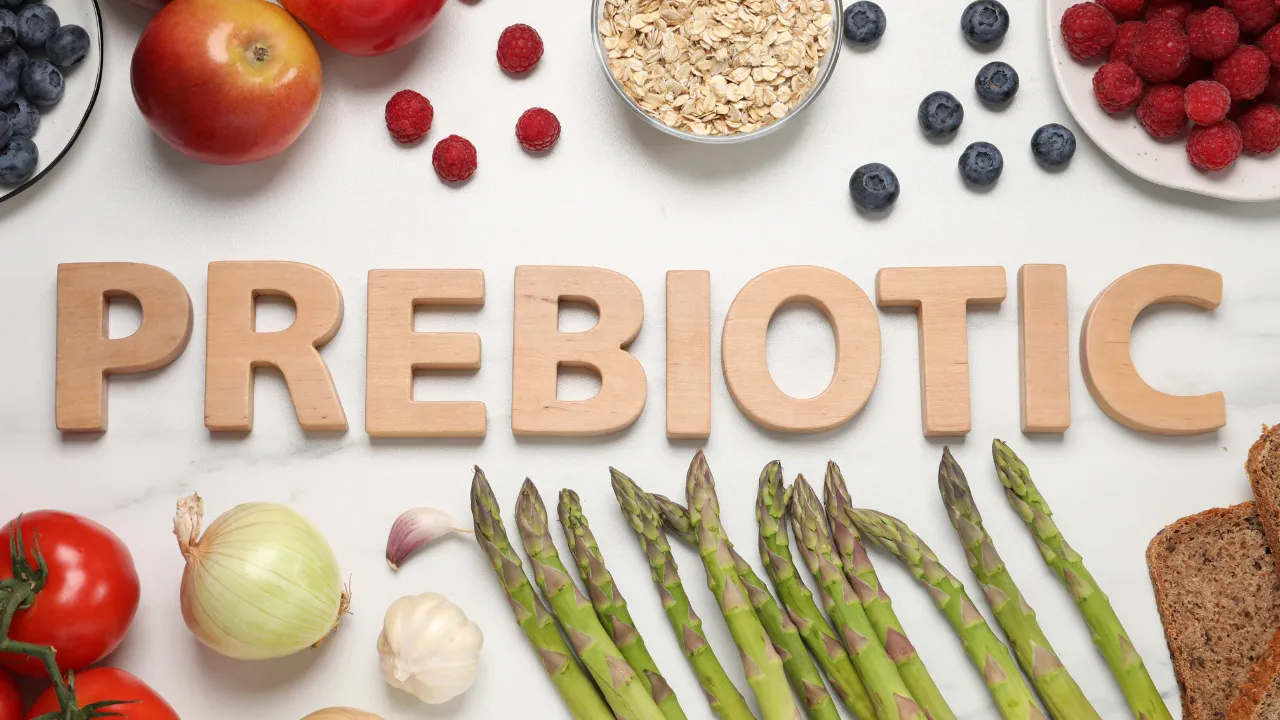
The concept of prebiotics is more recent than that of probiotics, having been initially proposed by Gibson and Roberfroid in 1995 [2]. The key aspects of a prebiotic are based on the idea that “the host cannot digest them and they benefit health by positively influencing beneficial native microbes.”
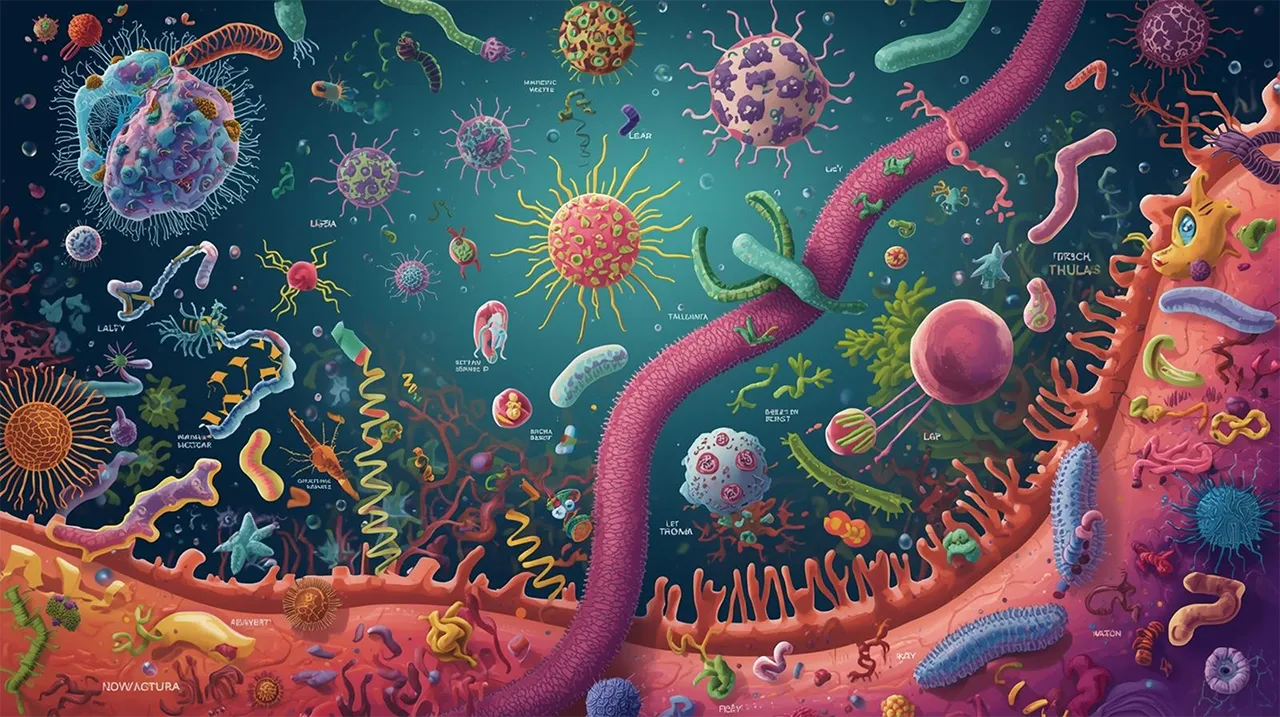
The use of prebiotics or probiotics aims to influence the intestinal environment dominated by trillions of commensal microbes, in order to benefit human health. (World Gastroenterology Organization, 2017).
“Prebiotics are food ingredients that have the potential to benefit the host by selectively stimulating the growth of certain microorganisms in the gastrointestinal tract” (FAO/WHO, Piñeiro et al., 2008).
Prebiotics are non-digestible food ingredients that selectively support the growth of beneficial bacteria in the gut. Research suggests they may improve digestive health, heart health, weight management, and nutrient absorption.
The term prebiotic refers to foods containing ingredients that the body cannot digest but that improve health by promoting beneficial intestinal bacteria growth, such as fructooligosaccharides.
Different oligosaccharides have been shown to stimulate bifidobacteria in the gastrointestinal tract.
These bacteria can reach levels similar to those seen in breastfed infants.
Benefits include:
Prebiotics act like fiber through several mechanisms:
Inulin and FOS are the most widely used prebiotics.
Natural sources include:
Inulin consists of chains of fructose molecules and can be hydrolyzed into FOS.
It is classified as GRAS (Generally Recognized As Safe), ensuring safe consumption.
Common prebiotics include:
Lactulose is a synthetic disaccharide used to treat constipation and hepatic encephalopathy.
To be classified as a prebiotic, a substance must:
SCFAs include:
Butyrate:
Studies show dose-response effects for inulin and FOS.
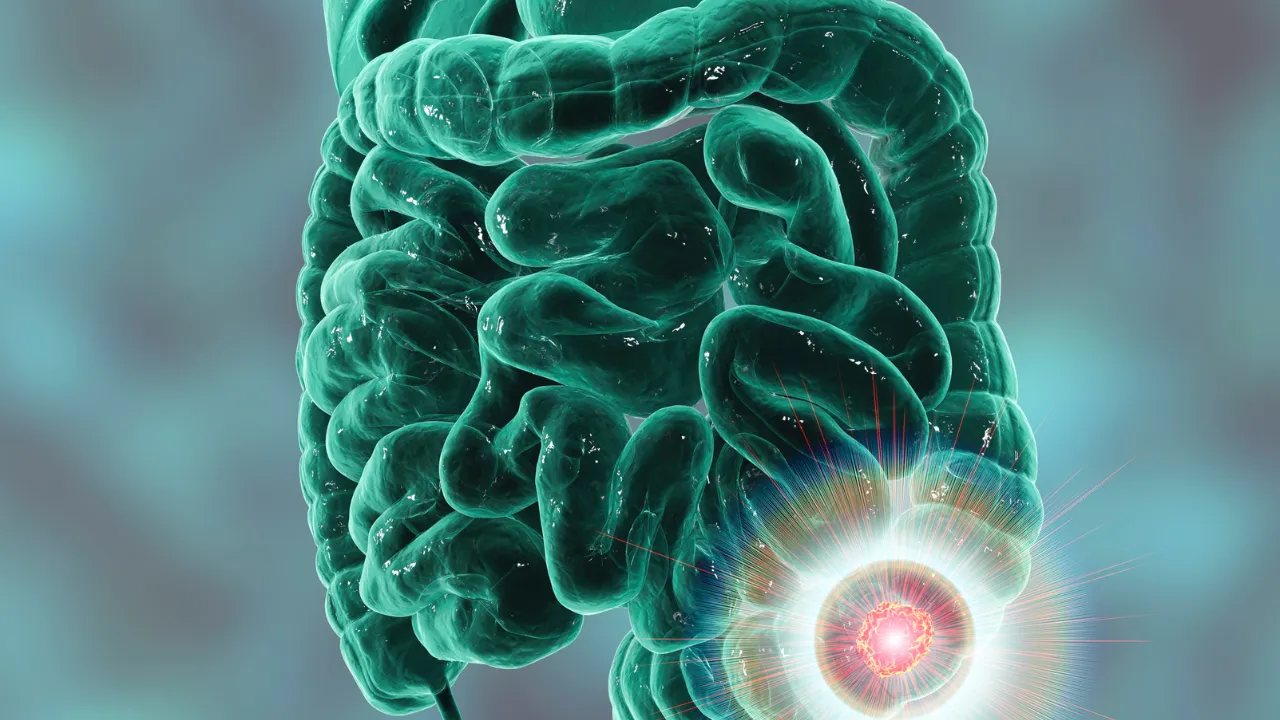
Prebiotics provide multiple intestinal benefits, especially in the colon:
Prebiotics feed probiotics and are essential for their function.
They provide natural fiber and enhance gastrointestinal health.
Document prepared by Octavio Davila | Scientific Directo

 Spanish
  English