Probiotics are all the rage; in fact, they are one of the hottest health trends due to their potential benefits. However, there are key considerations to ensure real benefits from their consumption.
That is why Guleben brings you the top 5 things you should know about probiotics.
What are probiotics?
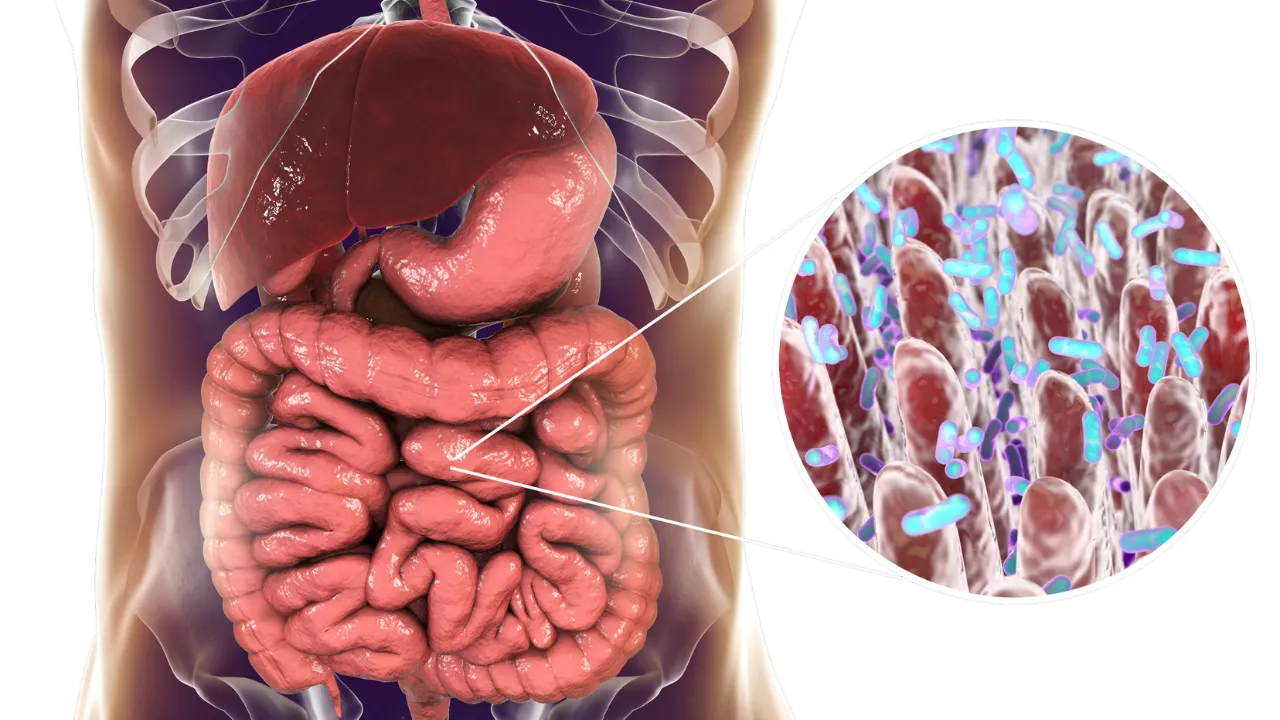
Probiotics are “good bacteria” that live in the body and help it function properly. They also help defend against infections caused by harmful bacteria and germs.
Do probiotics improve health?
Some studies suggest probiotic supplements may improve health, while others show no clear benefit.
Researchers are currently exploring whether probiotics can:
- Help prevent or treat gastrointestinal infections such as «C. difficile».
- Improve diarrhea, constipation, and conditions like irritable bowel syndrome, ulcerative colitis, and Crohn’s disease.
- Prevent or treat allergies such as eczema.
- Help prevent or treat vaginal infections.
Is yogurt with “active cultures” better?
Yogurt with “active cultures” contains probiotics.
- It is generally safe if well tolerated.
- May support digestion.
- Low-fat yogurt can be part of a healthy diet.
According to the World Health Organization, probiotics must be consumed “in adequate amounts” to be effective.
Therefore:
- Nutraceuticals, functional foods, or supplements are more likely to provide sufficient doses.
- Proper strains are essential for clinical effectiveness.
Dairy products like yogurt may lack:
- Adequate probiotic quantities.
- Clinically validated strains.
What makes an effective probiotic?
Not all probiotics are the same. Effective ones should:
- Contain the correct strain for the condition.
- Provide sufficient colony counts.
- Act throughout the intestine (Lactobacillus and Bifidobacterium).
- Be symbiotic (contain probiotics and prebiotics).
What are the disadvantages of probiotics?
Probiotics are not regulated like medications by the FDA.
This means:
- Labels may not reflect actual contents.
- Some products may be ineffective.
Recommendations:
- Use under medical advice or informed decision.
- Check nutritional labels.
- Verify strain type and dosage.
- Ensure manufacturing follows Good Manufacturing Practices (GMP).
References
This article is based on UpToDate guidelines, international bibliography, and general scientific concepts.




 Spanish
  English